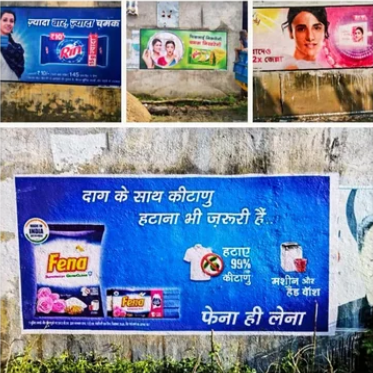
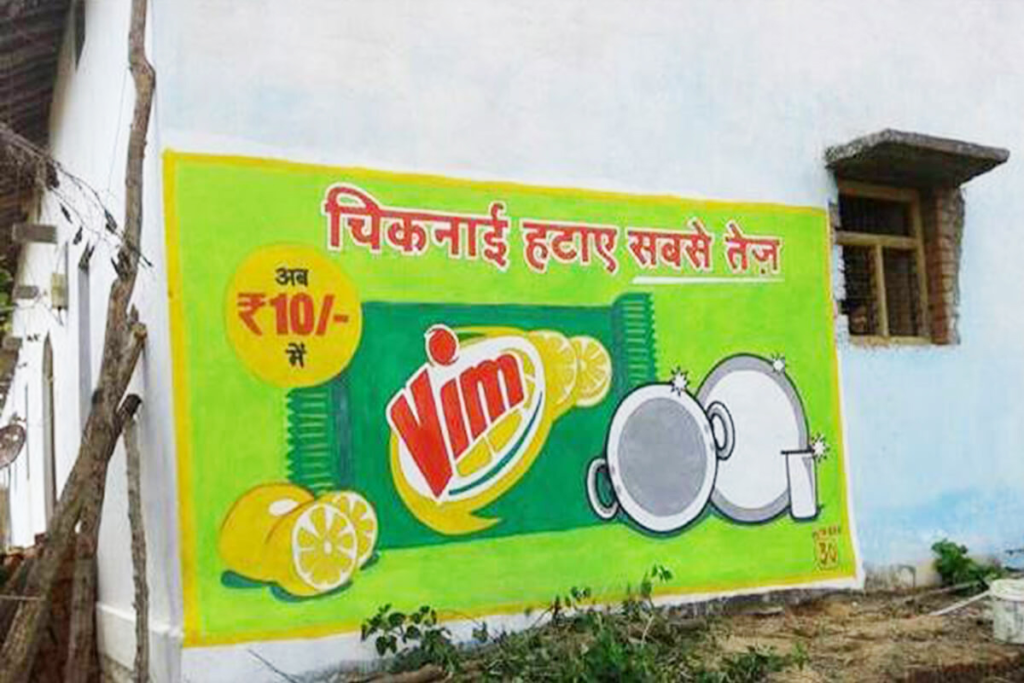
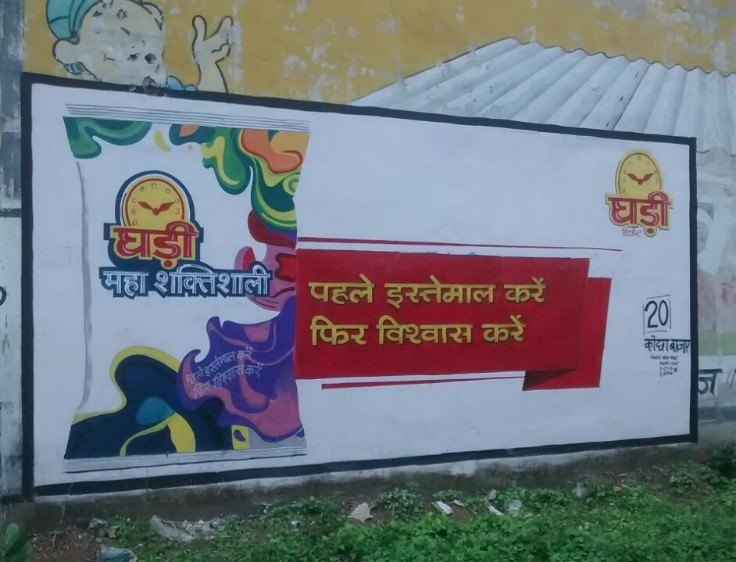
Every city has a rhythm—traffic lights turning red, streets buzzing with life, and auto rickshaws gliding through it all. Now imagine your brand being part of that rhythm, seen not once, but every single day.
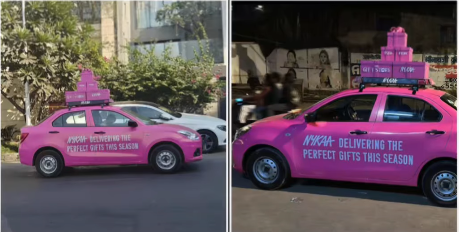
That’s exactly what a professional Auto Rickshaw Branding Agency helps you achieve: non-stop visibility where real people live, travel, and shop.
Why Auto Rickshaw Branding Is More Powerful Than It Looks
Auto rickshaws don’t just commute people. They connect neighbourhoods, markets, offices, colleges, and homes.
When your brand is on an auto, it’s not advertising loudly—it’s showing up naturally.
Visibility That Feels Effortless
People don’t skip autos like ads. They notice them at:
Traffic signals
Busy markets
Metro exits
Residential lanes
That’s organic brand recall—without interruption.
What Does an Auto Rickshaw Branding Agency Actually Do?
A real agency doesn’t just paste posters. It plans your brand’s daily journey.
From Strategy to Streets
A professional auto rickshaw branding agency handles:
Area and route planning
Creative adaptation for moving formats
Printing and lamination
Installation and quality checks
On-ground monitoring
The result? Your brand looks clean, credible, and intentional.
Why Brands Are Shifting to Auto Rickshaw Advertising
Hyperlocal Reach, Maximum Recall
Auto branding is ideal for brands that want:
Local dominance
Daily exposure
Cost-effective outdoor presence
Perfect for:
Retail & FMCG brands
Real estate projects
Ed-tech & coaching institutes
App launches
Political and social campaigns
Autos go where hoardings can’t—and that’s their biggest strength.
A Real Street-Level Insight
A growing local food brand once struggled with visibility despite digital ads. They tried auto rickshaw branding across a few crowded markets. Within weeks, customers started recognising the name before seeing it online.
That’s the power of physical presence meeting daily life.
Formats That Make Auto Rickshaw Branding Work
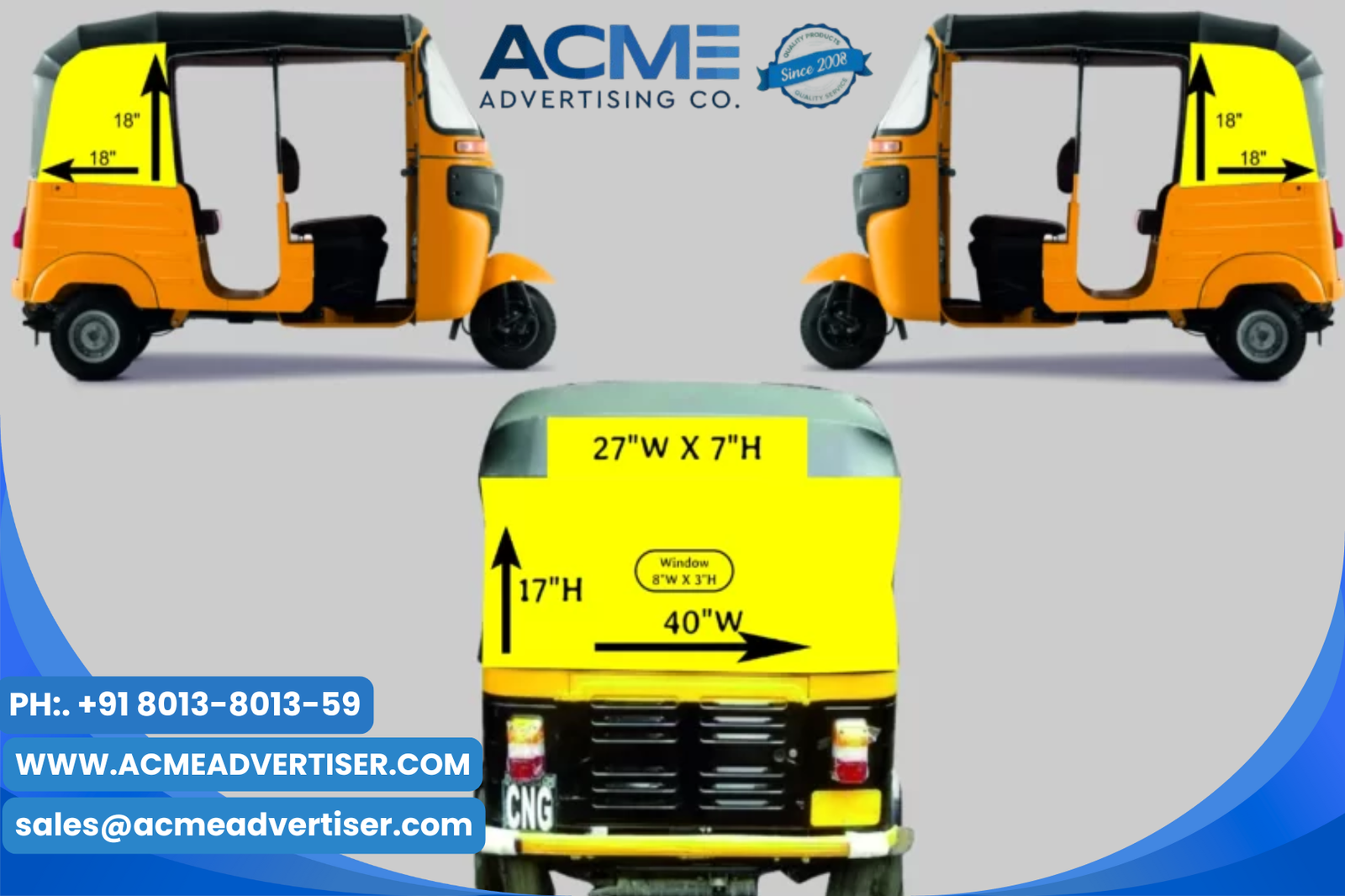
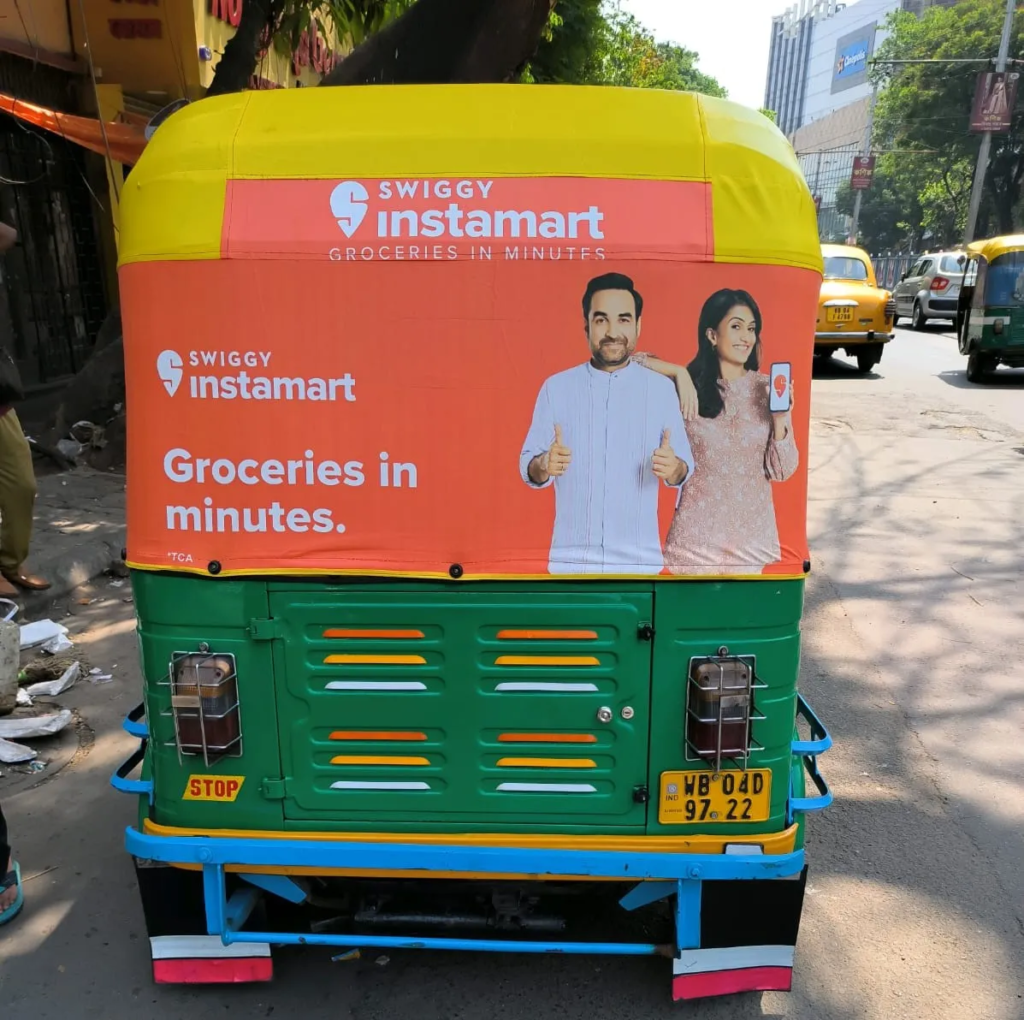
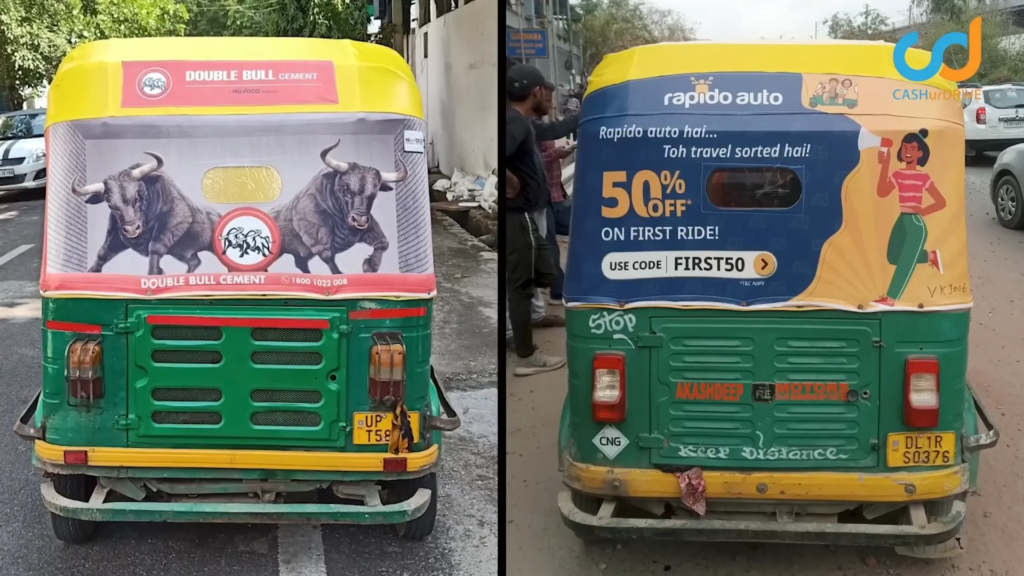
Back Panel Branding
Best for long signal stops and high recall
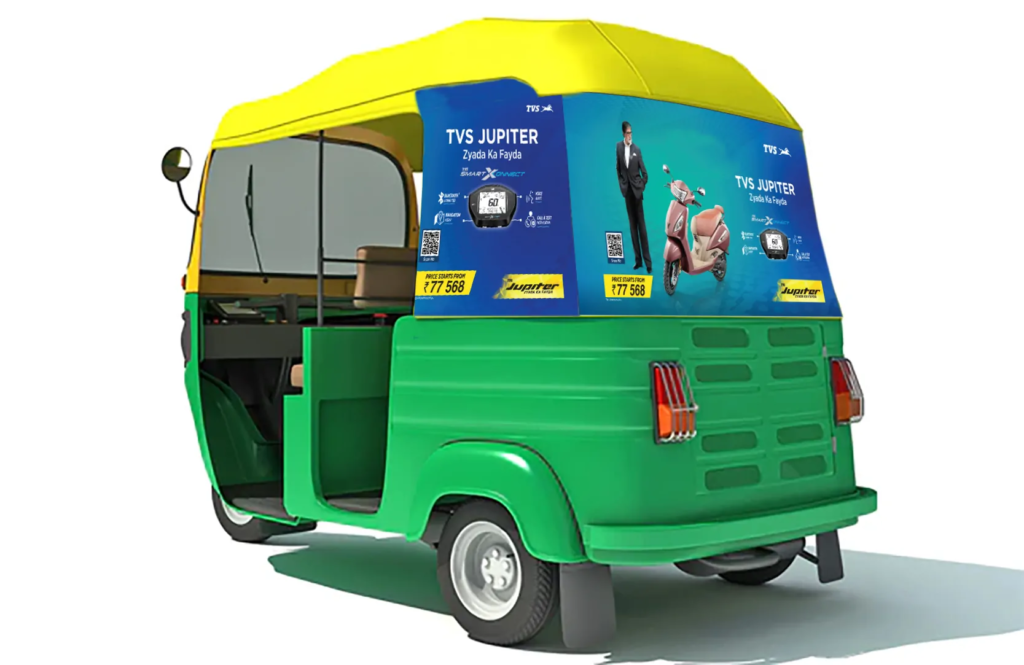
Side Panel Branding
Ideal for lanes, markets, and slow traffic
Full Auto Wraps
High-impact visibility with premium feel
Inside Panel Ads
Direct exposure to daily passengers
A skilled auto rickshaw branding agency helps you pick the right mix—based on budget and objective.
How Auto Rickshaw Branding Compares to Other Media
Advertising Medium
Reach
Cost
Local Impact
Billboards
High
Premium
City-wide
Metro Advertising
High
Premium
Transit zones
Auto Rickshaw Branding
High
Affordable
Hyperlocal
Auto branding bridges the gap between mass reach and local trust.
Why Brands Trust Acme Advertising Co. for Auto Branding
Brands today don’t want random placements. They want measurable visibility and clean execution.
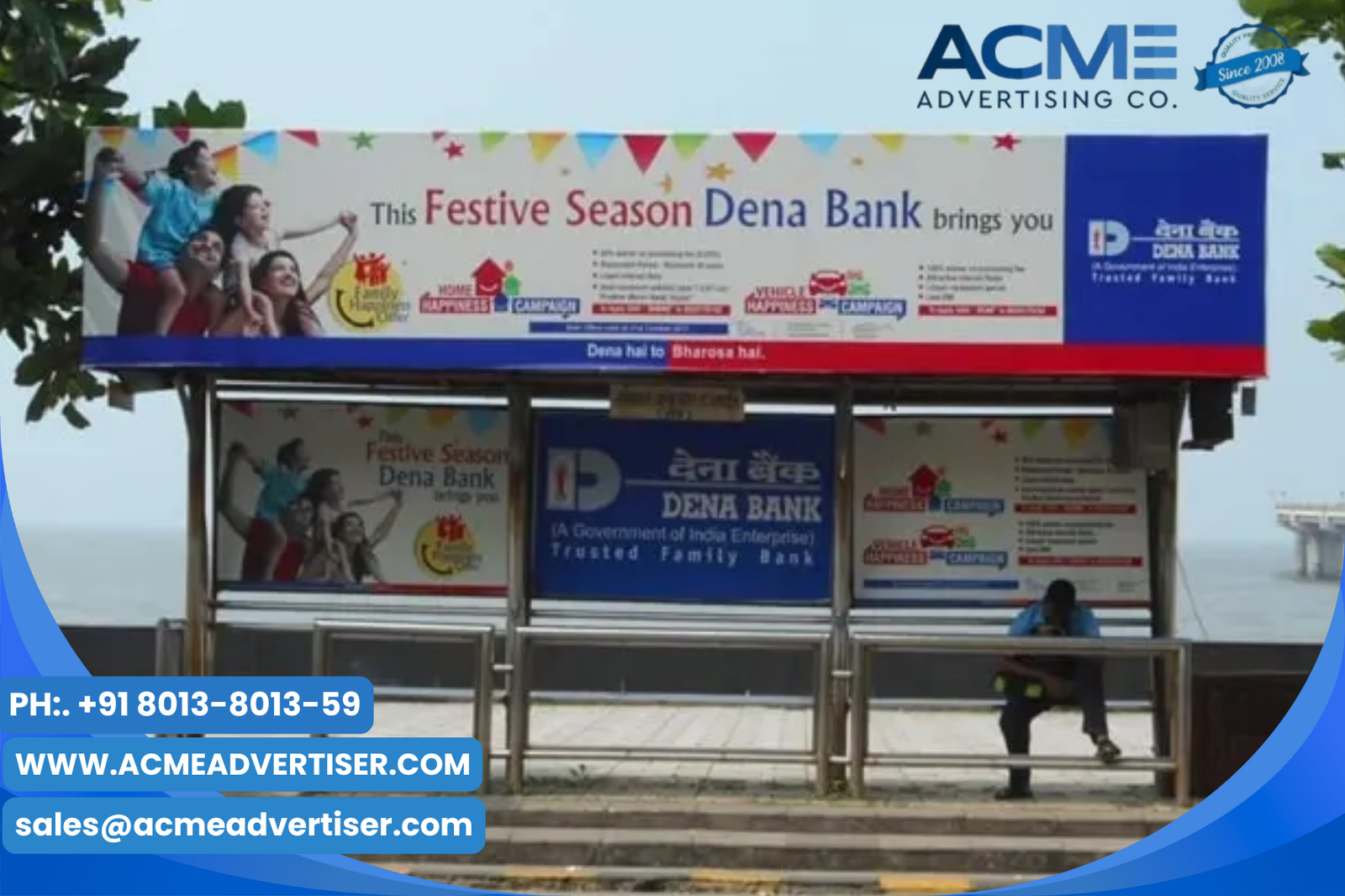
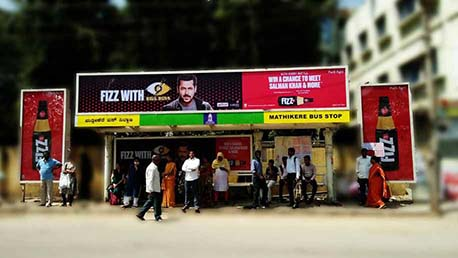
That moment of pause is exactly where bus shelter advertising delivers its strongest impact.
Every city moves to its own rhythm. People heading to work, students waiting for their ride, office commuters scrolling through their phones while glancing at the road. Amid all this motion, there’s one space where life slows down briefly—the bus stop.
And that pause is where bus shelter advertising does its best work.
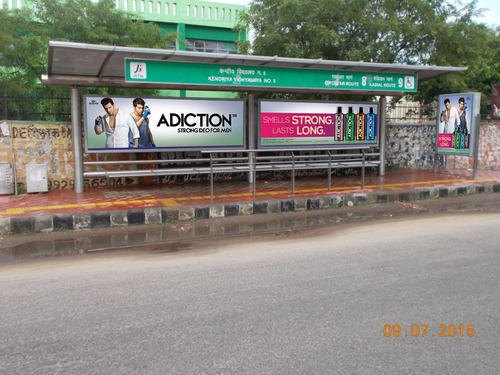
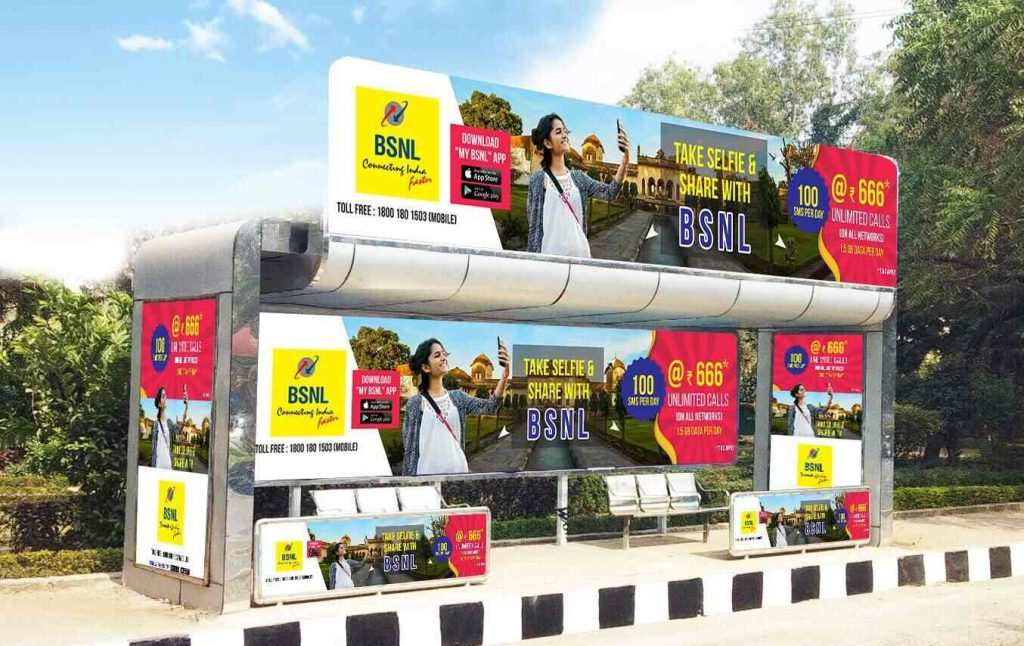
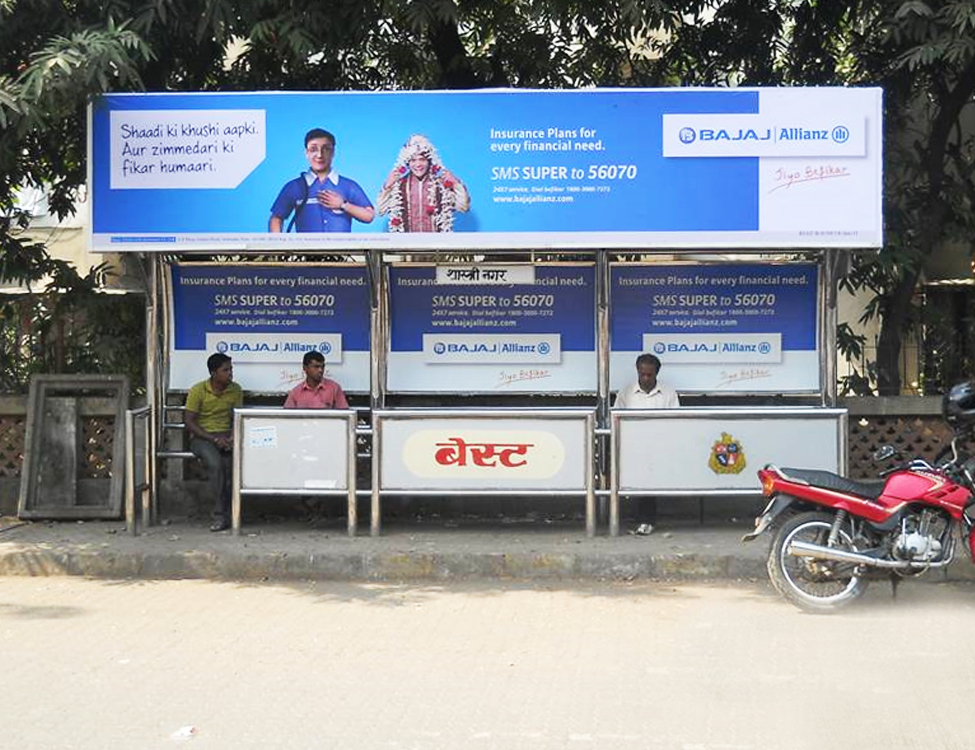
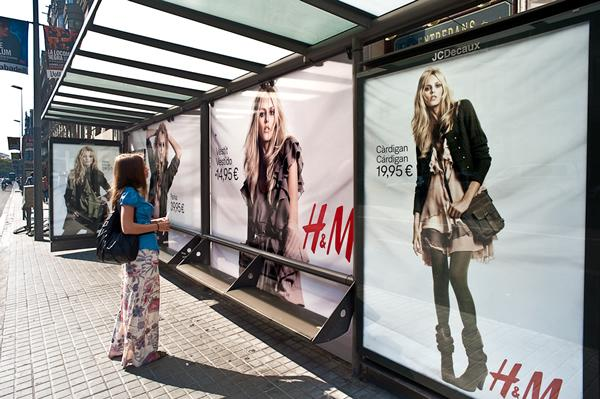
Bus shelter advertising places brand messages directly on bus stop infrastructure such as shelters, benches, and kiosks. These impressions aren’t fleeting. They are steady, eye-level brand interactions with people who are already standing still, waiting, and open to observing their surroundings. Over time, these messages blend naturally into daily routines, building familiarity, trust, and strong brand recall.
This article explores how bus shelter advertising functions, why it consistently delivers results for modern brands, and how Acme Advertising Co. helps businesses use this medium strategically and effectively.
Where everyday city moments turn into brand connections
bus shelter ads remain firmly rooted in real-world spaces. They become part of a city’s visual memory. A commuter may see the same message every morning for weeks. A pedestrian might pass it twice a day. That repetition isn’t clutter—it’s reinforcement.
Bus shelters are typically located in high-activity zones near markets, offices, residential neighbourhoods, educational institutions, and major transit routes. This placement makes them one of the most dependable out-of-home advertising formats for consistent local exposure.
Because these ads sit at eye level, they don’t fight for attention—they naturally receive it.
Why bus shelter advertising works so well
Bus shelter advertising aligns seamlessly with human behaviour. When people wait, they observe. When they observe, they read. And when they repeatedly read the same message, it stays with them.
This medium creates a powerful link between time, place, and brand message.
Brands continue to invest in bus shelter advertising because it offers round-the-clock visibility exposure to pedestrians, drivers, cyclists, and commuters a captive audience with longer viewing time strong neighbourhood-level targeting daily repetition that builds long-term recall
It’s not about a single impression. It’s about being seen consistently, in the same place, by the same audience.
Exploring the different formats of bus shelter advertising
Bus shelter advertising is highly adaptable. Brands can choose formats based on campaign goals, timelines, and budgets while maintaining strong visibility.
Static bus shelter ads Printed posters placed inside shelter panels or on benches. Common formats like 6-sheets are ideal for simple, repeated brand messaging.
Backlit panels Illuminated displays that remain clear and vibrant even after dark, making them effective in busy urban locations.
Digital bus shelter screens Screens that rotate creatives, support motion content, and allow timely message updates—well-suited for launches and dynamic campaigns.
Interactive bus shelter ads Formats designed to invite engagement, increasing the time people spend with the brand message.
Full shelter wraps Complete coverage of the shelter structure, turning it into a bold, high-impact visual statement.
Street furniture advertising Ads placed on benches, kiosks, and nearby transit fixtures, extending brand presence within the same area.
How bus shelter advertising blends into everyday city life
Bus shelter ads don’t interrupt daily routines—they fit into them.
They quietly build familiarity by appearing in the same place, day after day. Over time, people stop seeing the ad as something new and begin recognising it as something familiar. That’s when recall strengthens.
For local brands, this builds neighbourhood presence. For national brands, it ensures consistency across cities.
Either way, the message remains grounded in real-world visibility.
How brands typically activate bus shelter advertising
Most advertisers work with experienced agencies to manage bus shelter campaigns. The process usually includes selecting relevant, high-footfall locations choosing suitable ad formats planning visibility duration managing permissions, printing, installation, and upkeep
Once live, these ads become part of the cityscape—seen daily by thousands of people from diverse backgrounds.
Where thoughtful strategy makes all the difference
Placing an ad is only the first step. What truly matters is where it appears, how it looks, and how long it stays visible.
This is where experience plays a critical role. Location planning, understanding commuter movement, creative clarity, and consistent maintenance directly influence campaign performance.
How Acme Advertising Co. maximises the value of bus shelter advertising
At Acme Advertising Co., bus shelter advertising is treated as a long-term brand visibility strategy, not a one-off placement.
Our focus is on ensuring your brand reaches the right audience, in the right locations, with consistent visibility.
Our approach includes strategic location mapping based on footfall and commuter flow ad format selection aligned with campaign objectives clear, readable creative guidance for outdoor environments complete execution including permissions and installation regular monitoring to maintain visibility and quality
We believe bus shelter advertising performs best when it feels natural within its surroundings and remains consistently present.
Strengthening impact through integrated media planning
Bus shelter advertising becomes even more powerful when aligned with other media formats.
Why bus shelter advertising delivers lasting brand recall
bus shelter ads remain visible over extended periods. They build recognition gradually, without demanding attention.
This makes them especially effective for local businesses building area presence service brands targeting specific zones consumer brands seeking daily repetition campaigns focused on trust and awareness
The strength lies in consistency, not urgency.
Final thoughts: visibility that works quietly, every day
Bus shelter advertising doesn’t shout or rush. It stays present, visible, and reliable.
For brands aiming to grow awareness, strengthen recall, and stay connected with local audiences, this medium continues to prove its value year after year.
With the right planning and execution, bus shelters become more than transit points—they become meaningful brand touchpoints.
In India, summer isn’t just a climate—it’s a consumption moment. And few brands understand this better than Frooti, the flagship mango drink from Parle Agro. Over the years, Frooti has mastered the art of transforming peak summer months into a high-visibility brand takeover, using a powerful mix of outdoor, transit, and Retail advertising to dominate consumer attention.
Rather than relying on fragmented communication, Marketing Strategy of Frooti operates with a 360-degree market presence, ensuring the brand is seen, remembered, and purchased—often within the same day. The result is not just awareness, but habit formation.
This article breaks down how Frooti executes this strategy at scale and what modern brands can learn from its consistent, high-impact media approach.
A Brand That Knows the Power of Being Seen First
Frooti’s marketing philosophy is simple but execution-heavy: Be impossible to ignore when demand is at its peak.
From highways to high streets, from moving buses to retail billing counters, the brand ensures its presence feels everywhere, without feeling cluttered. The visual language stays tight. The messaging stays light. And the color stays unmistakably yellow.
Outdoor Advertising: Owning the Urban Visual Landscape
Turning Cities Into Brand Canvases
Frooti’s Outdoor (OOH) strategy is built on scale, repetition, and instant recognition. During summer months, the brand rolls out large-format outdoor campaigns across 100+ cities, creating a sense of visual saturation that reinforces memory.
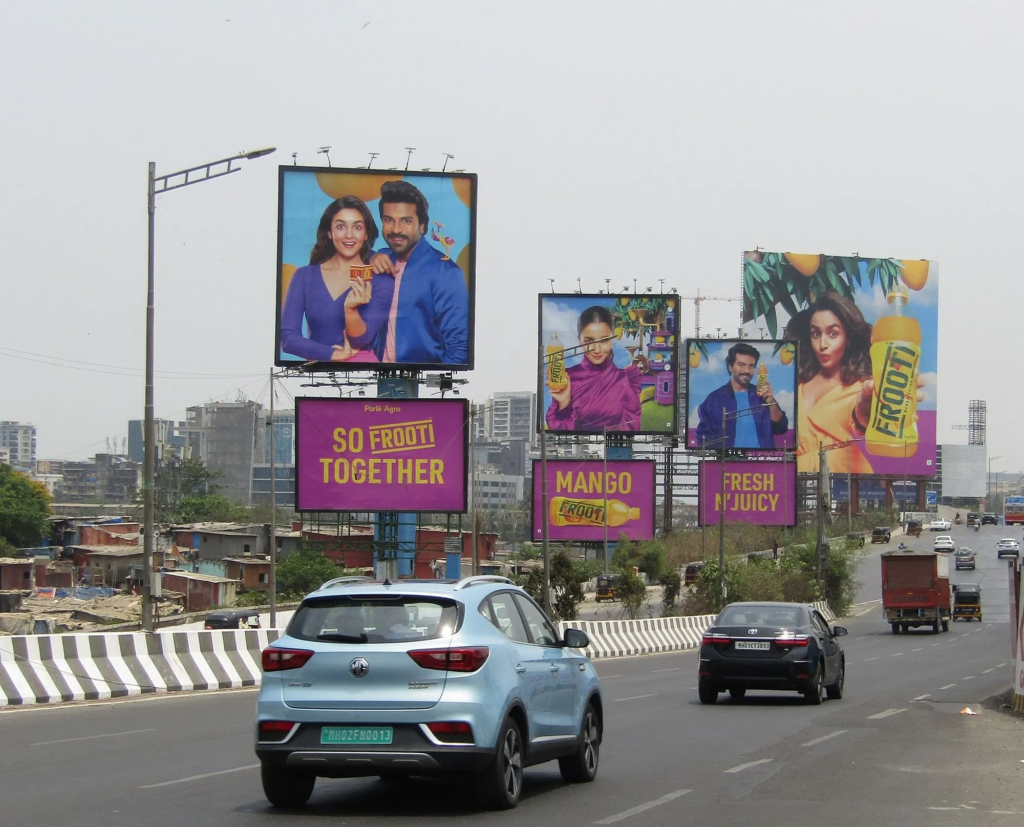
High-Impact Billboards and Unipoles
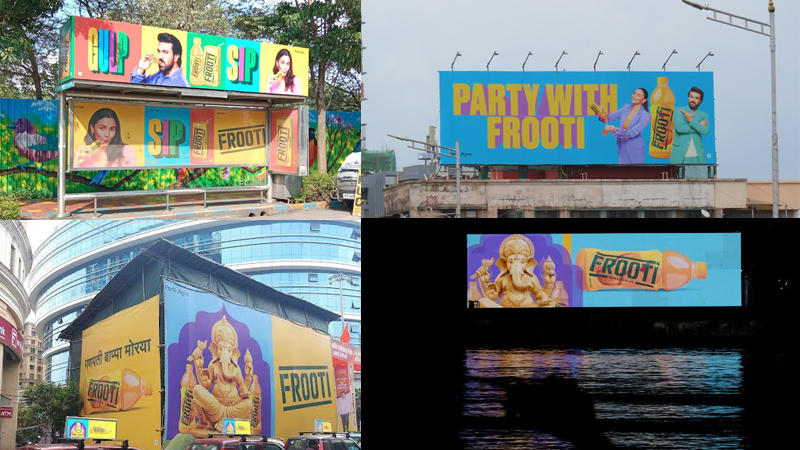
Large billboards and unipoles are placed in high-traffic arterial roads, junctions, and city entry points, ensuring maximum impressions. The creative approach remains minimalist—strong product visuals, expressive brand ambassadors, and bold color blocking that cuts through visual noise.
The consistent use of brand yellow works as a psychological shortcut. Even without reading the copy, consumers instantly know who’s talking.
Digital OOH for Motion and Momentum
In premium locations, Digital OOH screens allow Frooti to add movement to its storytelling. Motion-based creatives, animated pours, and playful transitions help the brand stand out in high-footfall environments such as malls, commercial districts, and entertainment hubs.
This blend of static scale and digital motion keeps the brand visually fresh while maintaining consistency.
Regional Reach With Local Sensibility
Marketing Strategy of Frooti: Frooti’s outdoor presence isn’t limited to metros. Tier-1 and Tier-2 cities receive equally strong visibility, ensuring the brand connects with consumers across geographies. Residential clusters, suburban markets, and emerging commercial zones all become part of the media map.
This widespread deployment ensures that no matter where the consumer travels, the brand stays familiar.
Transit Media: Meeting Consumers Where Life Happens
Advertising That Moves With the Audience
Transit media plays a critical role in Frooti’s strategy because summer also means movement—school commutes, office travel, vacations, and daily errands. The brand leverages this momentum to stay in constant view.
Train and Bus Wraps as Moving Billboards
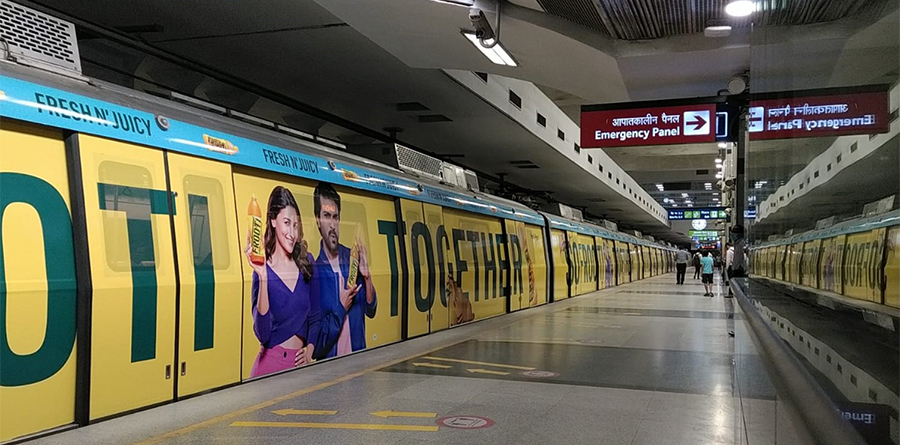
By wrapping buses and trains in bold brand creatives, Frooti transforms public transport into mobile brand assets. These moving visuals generate repeated exposure across routes, neighborhoods, and time slots, delivering both reach and frequency.
Bus Queue Shelters With High RecallMetro Stations and Transit Hubs
Bus Queue Shelters With High Recall
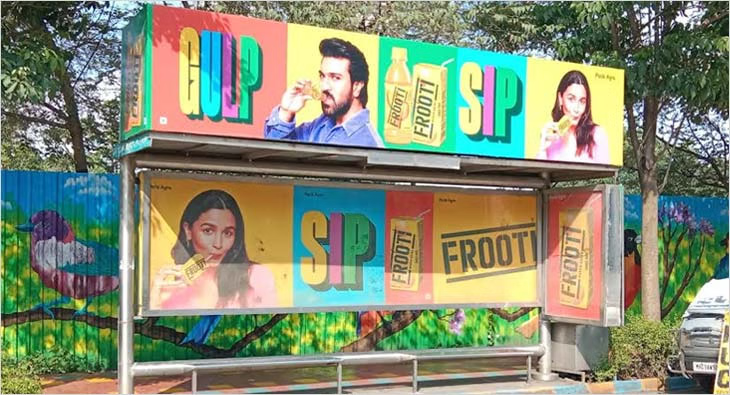
Bus Queue Shelters may be smaller in size, but they deliver strong impact through high dwell time. Placed near educational institutions, markets, and commercial areas, these formats reinforce brand recall during waiting moments—when attention is naturally available.
Metro Stations and Transit Hubs
Metro stations and transit hubs offer a captive audience. Strategic branding in these spaces allows Frooti to connect with daily commuters through repetition and proximity. The brand becomes part of the commuter’s routine, subtly reinforcing preference.
Retail Advertising: Winning the Moment of Truth
From Visibility to Conversion
Marketing Strategy of Frooti: Frooti understands that awareness alone doesn’t drive sales. The final decision happens at the store. That’s why retail advertising is treated as a core pillar, not an afterthought.
Dominance in Traditional Retail
In Kirana stores and local outlets, Frooti’s branding is highly visible. Posters, coolers, and signage ensure the product stands out even in crowded retail environments. The consistency of color and design helps the pack become easy to spot—even from a distance.
Modern Trade Activations
In larger retail formats, branded shelves, end-cap displays, and strategically placed units help the brand command attention. These placements ensure the product is seen early in the shopper journey, not as an afterthought.
Point-of-Purchase Materials
Danglers, posters, and compact display units near billing counters work as impulse triggers. These formats are especially effective for smaller packs designed for quick consumption moments.
On-Ground Promotions That Feel Rewarding
Seasonal promotions and value-driven schemes add an extra layer of engagement. These activations aren’t just about discounts—they create interaction and excitement, especially among younger consumers.
The Strategic Glue Holding It All Together
A Color That Became an Asset
Marketing Strategy of Frooti: Frooti’s yellow isn’t just a design choice—it’s a branding tool. Used consistently across Outdoor, Transit, and Retail, it ensures instant recognition and reinforces memory through repetition.
Seasonal Timing With Precision
Campaigns are tightly aligned with peak summer months, ensuring that media investment coincides with high demand. This timing maximizes ROI and keeps the brand culturally relevant.
Youth-Focused, Energy-Driven Positioning
The communication tone stays playful, fresh, and energetic, aligning naturally with younger audiences. The brand doesn’t over-explain. It lets visuals and mood do the talking.
Strong Media Partnerships
Execution at this scale requires precision planning and reliable partners. Data-driven placement, location strategy, and operational efficiency ensure the brand message lands exactly where it should.
What Brands Can Learn From Frooti’s Approach
Marketing Strategy of Frooti: Frooti’s success isn’t accidental. It’s the result of consistent visibility, smart media selection, and disciplined execution. The brand shows that when Outdoor, Transit, and Retail work together, they don’t just build awareness—they build momentum.
For brands looking to create a similar impact, the key takeaway is clear: Visibility works best when it’s coordinated, contextual, and continuous.
Bringing High-Impact Media Strategies to Life With Acme Advertising Co.
At Acme Advertising Co., we help brands activate powerful media ecosystems inspired by real-world success stories like Frooti’s. Our approach focuses on making your brand visible where it matters most—on roads, in transit, inside retail spaces, and across high-footfall environments.
Each campaign is planned with location intelligence, audience behavior, and execution clarity—so your brand doesn’t just show up, it stands out.
Final Thought: Visibility That Builds Memory
Frooti’s journey proves that when a brand commits to visibility with purpose, consistency, and creativity, it earns more than attention—it earns trust and recall. In a market as dynamic as India, that’s a competitive advantage that compounds year after year.
If your brand is ready to create presence that people remember long after summer ends, the right media strategy makes all the difference.
In today’s attention economy, brands are no longer competing just for visibility — they are competing for memory. Digital wall painting has emerged as a powerful medium that turns everyday walls into immersive brand stories. It allows businesses to communicate their purpose, personality, and promise in a way that feels alive, expressive, and deeply human.
Modern audiences are visually driven. They connect faster with ideas they can see, feel, and experience. A thoughtfully designed digital wall painting transforms static spaces into living brand assets. Offices evolve into culture hubs. Retail environments turn into storytelling zones. Public spaces become moments of connection rather than passing visuals.
Digital wall painting matters because it bridges creativity with clarity. It does not interrupt people; it invites them. It does not shout; it speaks with confidence. And most importantly, it stays with people long after they walk away.
From Blank Walls to Brand Experiences
Walls are everywhere, yet most of them are underutilized. Digital wall painting– reclaims these surfaces and gives them purpose. Instead of remaining empty or decorative, walls begin to communicate values, vision, and direction.
For businesses, this means every square foot can work harder. A lobby wall can express ambition. A corridor can tell a journey. A meeting room can inspire innovation. A storefront can attract attention even before someone steps inside.
Digital wall painting brings consistency across physical spaces. It aligns the environment with the brand voice, ensuring that what people feel inside a space matches what the brand stands for outside of it.
The Power of Visual Storytelling in Physical Spaces
Visual storytelling is not about decoration. It is about meaning. Digital wall painting- allows brands to share stories through colors, forms, typography, and motion-inspired layouts that resonate emotionally.
Stories told visually are processed faster and remembered longer. When people encounter a space that reflects a brand’s narrative, they connect instinctively. The experience feels intentional, not accidental.
This form of storytelling works because it feels authentic. It exists where people work, shop, and interact. It becomes part of daily life, quietly reinforcing trust, familiarity, and recognition.
Where Digital Wall Painting Creates Maximum Impact
Digital wall painting– adapts effortlessly to different environments. Each space brings its own opportunity for engagement.
In corporate offices, wall art strengthens internal culture. It reinforces values, celebrates milestones, and creates a sense of belonging. Employees feel more connected to the brand they represent.
In retail environments, wall paintings guide attention and elevate the customer journey. They influence mood, encourage exploration, and support brand recall without overwhelming the shopper.
In commercial buildings and public-facing spaces, digital wall painting adds personality and professionalism. It enhances the environment while delivering a clear brand message.
Digital Wall Painting as a Long-Term Brand Asset
digital wall painting is designed for longevity. It is not seasonal noise. It is a lasting brand expression that continues to work every day.
When executed thoughtfully, it requires minimal maintenance while delivering consistent impact. It becomes part of the space’s identity, offering ongoing value without recurring costs.
Brands benefit from a solution that grows with them. Designs can be refreshed, expanded, or adapted as the brand evolves, ensuring relevance without disruption.
The Role of Precision and Craft in Digital Wall Painting
Impact comes from detail. Every digital wall painting- relies on accurate measurements, surface preparation, color calibration, and high-quality execution. Precision ensures the design translates exactly as intended, without distortion or compromise.
Material selection matters. Finishes must align with lighting, texture, and foot traffic. The goal is seamless integration, where the artwork feels like it belongs naturally within the space.
When craftsmanship meets creativity, the result feels effortless. The wall does not look added on; it looks designed in.
Partner with ACME Advertising CO. — We Work for Your Brand
At ACME Advertising CO., digital wall painting is approached as a strategic branding solution, not just a visual task. Every project begins with understanding the brand’s intent, environment, and audience.
The focus is on translating ideas into spaces that speak clearly and confidently. From concept development to final execution, the process is structured, collaborative, and detail-driven.
ACME Advertising CO. delivers digital wall painting solutions that align with brand tone, architectural context, and long-term vision. Each wall becomes a meaningful touchpoint rather than a standalone visual.
How ACME Advertising CO. Brings Walls to Life
The journey starts with listening. Understanding the story a brand wants to tell is the foundation of every design. This clarity ensures the final output feels relevant and purposeful.
Designs are created with spatial awareness. Scale, flow, and viewer perspective are carefully considered so the artwork feels balanced and engaging from every angle.
Execution is handled with technical expertise and quality control. The result is a clean, polished finish that enhances the space without overpowering it.
Digital Wall Painting- That Supports Business Goals
Digital wall painting is not just about aesthetics. It supports real business objectives.
It strengthens brand recall by creating memorable environments. It improves workplace morale by inspiring teams. It enhances customer experience by making spaces more inviting and immersive.When people enjoy being in a space, they stay longer. When they feel connected, they remember more. Digital wall painting contributes quietly but effectively to these outcomes.
Content-rich environments matter not only offline but also online. Spaces designed with strong visual identity are more likely to be photographed, shared, and searched.
Digital wall painting supports brand discoverability by creating visually distinctive locations that attract organic attention across platforms and AI-driven discovery tools.
Location-based relevance improves when physical branding aligns with digital presence. Consistency between what people see in real life and what they search online strengthens trust signals.
What sets effective digital wall painting- apart is its human touch. Designs that feel relatable, warm, and expressive connect better than overly complex visuals.
ACME Advertising CO. prioritizes clarity and emotion. The goal is to create artwork that feels welcoming, thoughtful, and true to the brand’s personality.
When people feel comfortable in a space, they engage naturally. This ease is what turns a wall into an experience.
Digital Wall Painting Across Cities and Spaces
As brands grow across locations, maintaining visual consistency becomes essential. Digital wall painting offers a scalable solution that adapts to different spaces while retaining brand integrity.
Whether applied in offices, commercial hubs, or public environments, the core identity remains recognizable. This consistency builds familiarity and confidence wherever the brand is present.
A Sustainable and Thoughtful Branding Choice
Modern brands value responsibility. Digital wall painting- supports sustainability by reducing the need for frequent replacements and disposable promotional materials.
With durable materials and long-lasting finishes, it offers a thoughtful approach to branding that aligns with long-term planning and conscious design.
Why Brands Choose ACME Advertising CO.
Brands work with ACME Advertising CO. because the approach is collaborative, transparent, and quality-focused. The emphasis is always on delivering solutions that serve the brand, not trends that fade quickly.
Every project reflects respect for space, audience, and purpose. The outcome is branding that feels confident, intentional, and human.
The Future of Branded Spaces
As work and retail environments continue to evolve, the demand for meaningful physical experiences will only grow. Digital wall painting sits at the intersection of design, storytelling, and strategy.
It is not about filling walls. It is about creating places people remember.
Let Your Walls Speak for Your Brand
Your space already has a voice. Digital wall painting helps it speak clearly.
If your brand is ready to turn environments into experiences, ACME Advertising CO. is ready to partner with you.
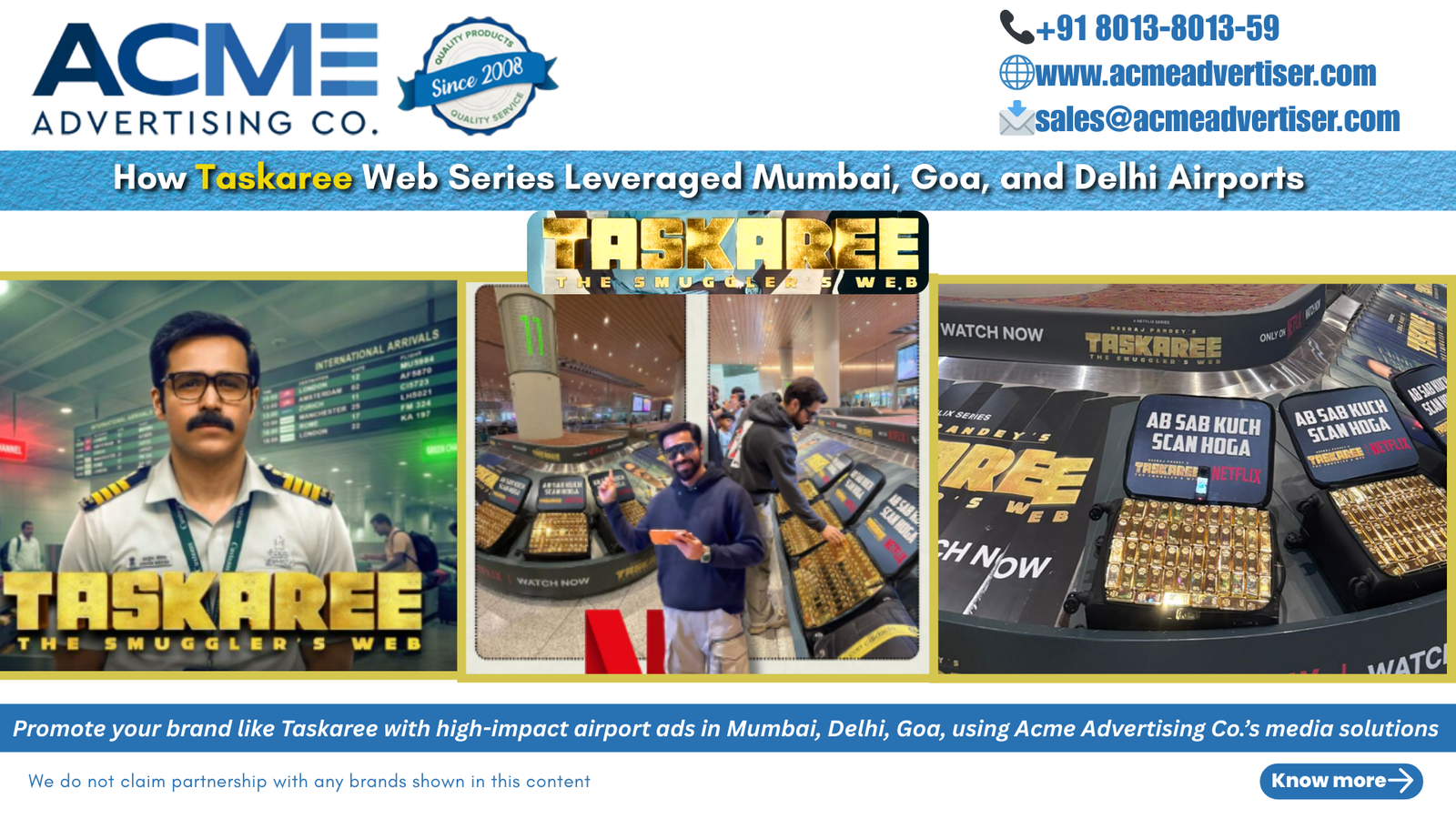
Taskaree airport advertising: Airports are more than just transit hubs — they’re dynamic marketing arenas where brands can engage thousands of potential viewers in a single glance. Netflix recognized this with its Taskaree web series promotion, turning Mumbai, Delhi, and Goa airports into immersive, high-visibility experiences. The result? Maximum engagement, instant brand recall, and a buzz that travelers couldn’t ignore.
Imagine walking through Mumbai Airport, and Taskaree’s intriguing visuals greet you at every turn — from baggage claim to lounge areas. Travelers waiting for their flights are instantly captivated, making the series impossible to forget. This is the power of strategically placed airport advertising, and it’s a strategy any brand can leverage to skyrocket its visibility.
The Airport Advertising Magic Behind Taskaree
Netflix didn’t just stick a poster in a corridor — they created a full-spectrum experience:
High-Impact Visuals: Massive, eye-catching installations that travelers couldn’t miss.
Multi-City Placement: Mumbai, Delhi, and Goa airports were carefully chosen for maximum traffic and diverse demographics.
Integrated Media Tie-Ins: Digital screens, information boards, and news channel tie-ups reinforced the campaign beyond static placements.
The outcome? Travelers interacted, shared, and engaged with Taskaree before even streaming it — an organic, high-impact way to amplify brand reach.
Key Airport Zones for Maximum Brand Visibility
Arrival Halls: Formats: Large-scale banners, digital screens
Advantage: Captive audience waiting for luggage
Example Locations: Baggage claim area, customs exit gates
Example Locations: Executive lounges, airline lounges
Bringing the Magic to Your Brand with Acme Advertising Co.
Just like Taskaree, your brand can dominate key city hubs with strategic outdoor and transit advertising. Acme Advertising Co.specializes in turning spaces into storytelling platforms. Our services include:
Outdoor Media: Billboards, gantries, and unipoles in high-traffic city zones.
Transit Media: Airports, buses, and metro stations to capture mobile audiences.
Retail Media: Malls, store fronts, and experiential displays that turn shoppers into loyal customers.
Electronic Media: Cinemas, digital screens, and in-flight entertainment promotions.
POSM Items: On-ground marketing through stands, kiosks, and branded merchandise.
By combining these services, we ensure your campaign isn’t just visible — it’s memorable, engaging, and impactful, just like Taskaree’s airport experience.
Mumbai, Goa, and Delhi: The Hotspots of Audience Engagement
These cities were chosen for Taskaree because they offered:
Airport Daily Footfall Target Demographics Key Ad Formats Mumbai 100,000+ Business, tourists Gate areas, baggage claim, digital screens Delhi 120,000+ Business, leisure travelers Lounges, digital displays, info boards Goa 45,000+ Tourists, seasonal travelers Arrival halls, check-in counters
Acme Advertising Co. can replicate this multi-city strategy for your brand, ensuring every touchpoint contributes to higher reach and recall.
Storytelling Through Cinema and Digital Integration
Airport advertising alone isn’t enough. Taskaree’s success was amplified by seamless integration with:
Cinema Ads: Pre-show placements in multiplexes heightened curiosity.
News Channel Tie-Ins: Ensured the web series was top-of-mind.
Social Media Hype: Travelers shared airport visuals, creating organic buzz.
Your brand can experience similar results through Acme Advertising Co.’s creative solutions — blending OOH, transit, retail, electronic, and POSM media to craft a 360° engagement strategy.
How Brands Benefit from Integrated Airport Campaigns
Massive Audience Reach: Thousands of travelers daily.
Enhanced Brand Recall: High-visibility placements stick in memory.
Cross-Channel Integration: Reinforces campaigns across digital, social, and in-store media.
Targeted Marketing: Focus on metro hubs and high-income travelers.
Cultural Relevance: Messaging adapted for diverse audiences.
High ROI: Captive audience results in higher engagement rates.
Buzz Creation: Eye-catching placements encourage social sharing.
Brand Prestige: Associating with airports elevates perceived brand value.
Make Your Brand the Next Success Story
Airports, cinemas, malls, and transit hubs are more than just advertising spaces—they’re brand playgrounds. Taskaree’s launch proves that creative, multi-touch campaigns deliver exceptional results.
At Acme Advertising Co., we help brands unlock this potential through campaigns that resonate with audiences and drive measurable growth.
Your brand deserves to be seen, remembered, and talked about—across cities, roads, airports, and high-traffic locations.
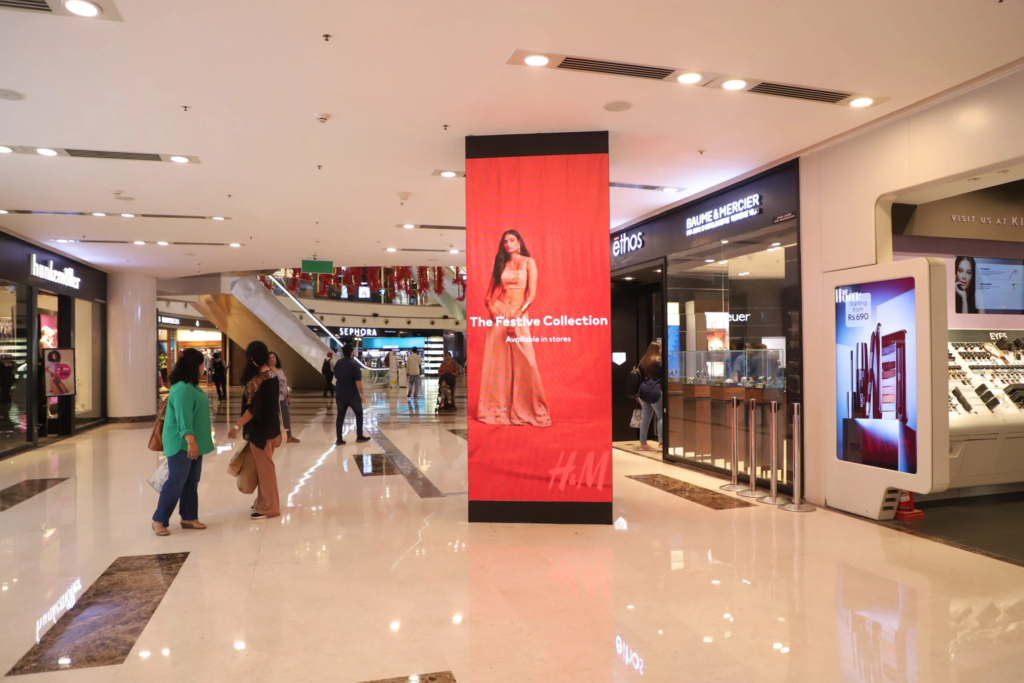
Case study H&M: A Fashion Brand That Lives Where People Move
H&M (Hennes & Mauritz) is not just a global fashion retailer—it is a brand that understands how visibility, experience, and convenience work together to influence modern consumers. Founded in 1947 by Erling Persson in Sweden, H&M has grown into one of the world’s most recognised fashion brands by staying accessible, trend-relevant, and deeply connected to how people shop, travel, and interact with brands.
Rather than relying on one advertising channel, H&M adopts a multi-touchpoint brand presence—using outdoor advertising, transit media, in-store technology, and experiential activations to stay visible across everyday consumer journeys. This case study explores how H&M uses these channels together to create impact, and what brands can learn from its approach.
case study H&M Brand Philosophy: Visibility With Purpose
At its core, H&M’s marketing strategy reflects three consistent principles:
Be present where people already are
Blend physical experiences with digital convenience
Make branding feel immersive, not intrusive
H&M does not treat advertising as a separate activity from retail. Instead, its media presence flows naturally into how customers discover, explore, and purchase products—whether on the street, in transit, or inside a store.
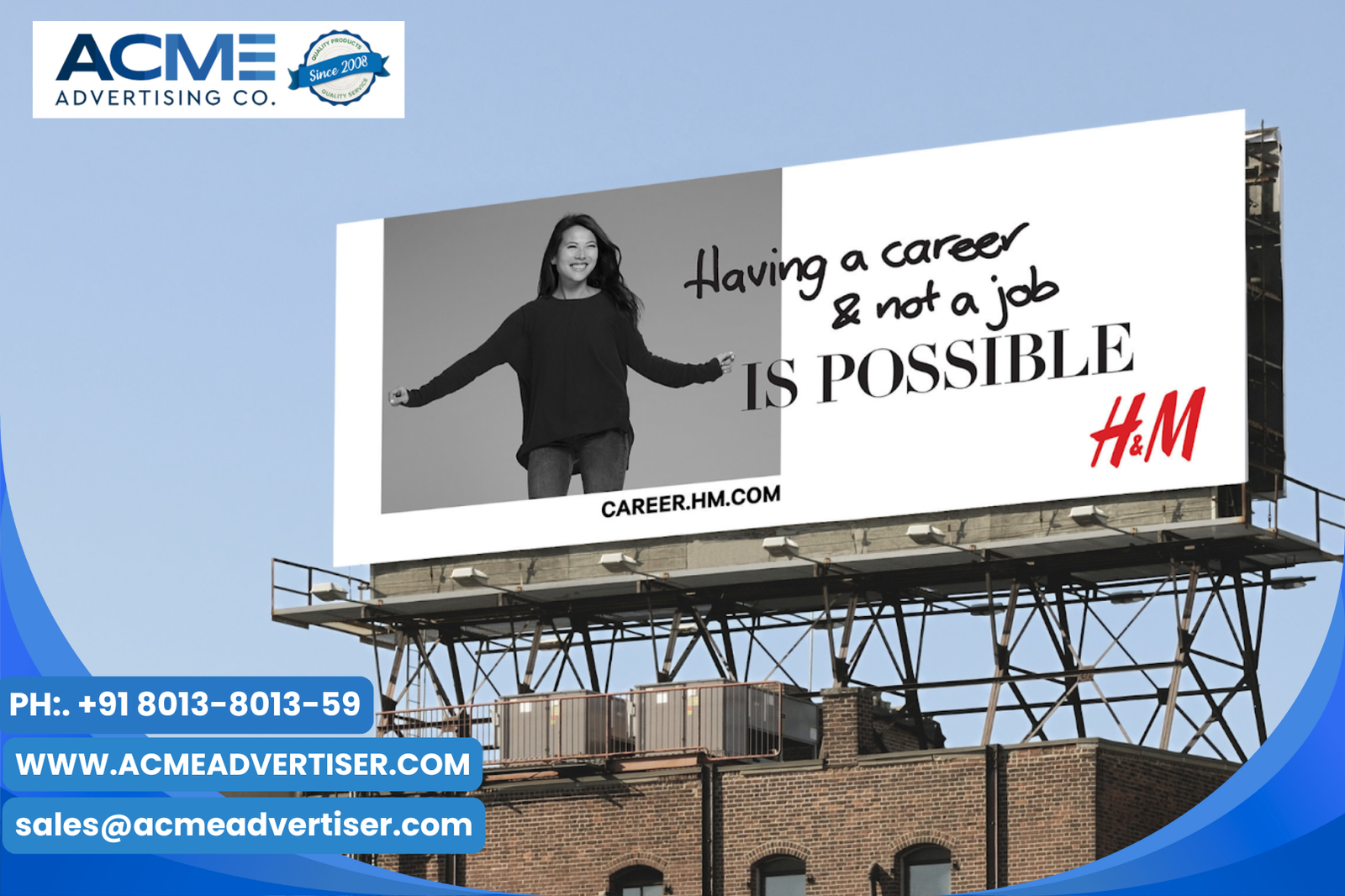
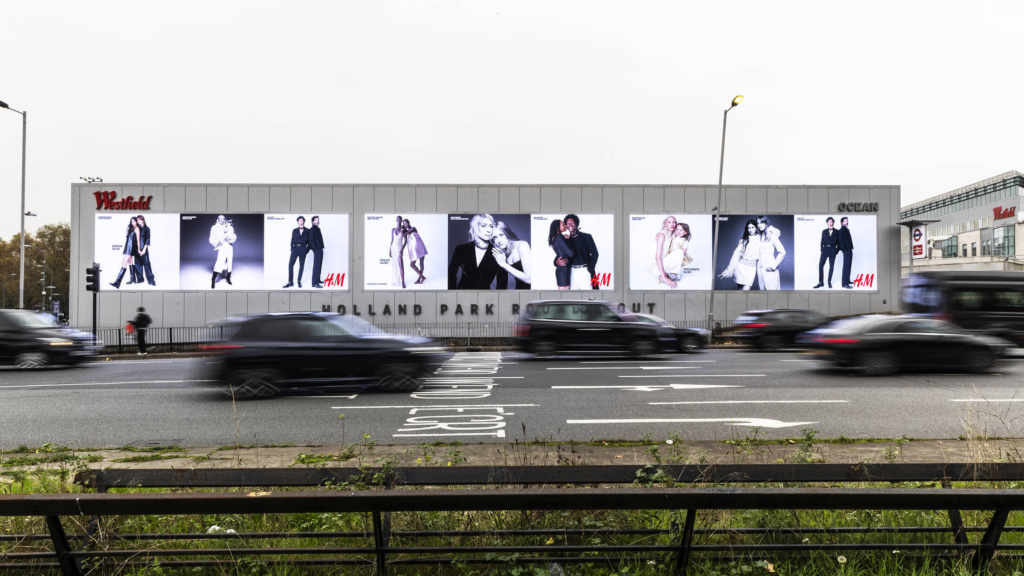
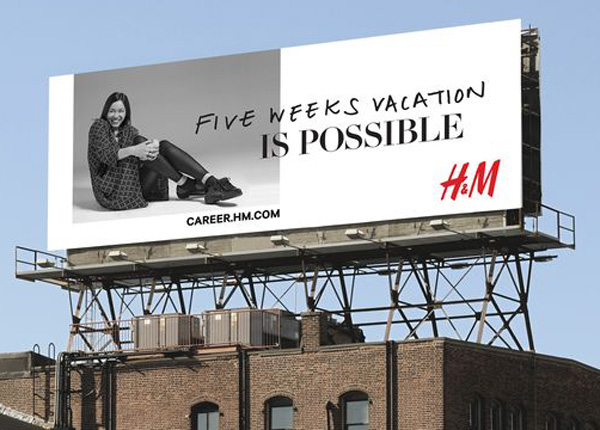
H&M uses large-format outdoor billboards to create instant brand recognition in high-footfall areas. These billboards often focus on:
Seasonal collections
Sustainability initiatives
Limited-time campaigns
Rather than overcrowding creatives with information, H&M keeps messaging visually strong and fashion-led, allowing the brand aesthetic to speak for itself.
Digital Out-of-Home (DOOH): Dynamic and Flexible
H&M integrates digital outdoor screens (DOOH) into its campaigns, enabling:
Time-specific messaging
Campaign refresh without reprinting
Better alignment with digital launches
DOOH allows H&M to stay current and responsive while maintaining consistent visual identity across cities.
Beyond static media, H&M uses experiential outdoor activations to create emotional engagement. One notable example from the document includes giant advent calendar installations enhanced with scent, transforming outdoor spaces into immersive brand experiences.
These activations achieve:
Higher social sharing
Emotional brand association
Strong recall beyond the campaign period
Experiential media allows H&M to move from “seen” to “remembered.”
In-Store Advertising: Where Branding Meets Decision-Making
A Retail Space Designed for Engagement
H&M treats its stores as a media channel, not just a sales floor. In-store advertising supports:
Product discovery
Brand storytelling
Smooth decision-making
Rather than overwhelming customers, H&M uses clean, guided visuals to help shoppers navigate collections easily.
Technology-Enabled In-Store Experience
Smart Mirrors & Tech-Enabled Fitting Rooms
H&M integrates smart mirrors and tech-enabled fitting rooms, allowing customers to:
View styling suggestions
Explore product details digitally
Enhance convenience inside the store
This bridges the gap between online browsing and offline shopping.
Data-Driven Customisation: Making Retail Smarter
case study H&M: H&M uses data-driven customisation within stores to improve relevance. This includes:
Region-specific product emphasis
Season-aligned visual merchandising
Better inventory presentation
By aligning data with retail media, H&M ensures customers see what is most relevant to them—reducing friction and improving satisfaction.
How H&M’s Channels Work Together
Channel
Primary Role
Impact
Outdoor (OOH)
Mass visibility & brand recall
High awareness
DOOH
Dynamic messaging
Timely relevance
Transit Media
Daily repetition
Strong recall
Experiential
Emotional engagement
Memorability
In-Store Media
Conversion support
Purchase confidence
Technology
Convenience & personalisation
Better experience
This integrated structure ensures H&M stays present from awareness to action.
case study H&M: Key Learnings From H&M’s Strategy
1. Visibility Must Feel Natural
H&M succeeds because its advertising fits seamlessly into consumer environments—streets, metros, and stores—without feeling forced.
2. Experience Matters as Much as Exposure
Experiential elements elevate simple visibility into memorable brand moments.
3. Retail Media Is Not Optional
In-store branding and technology play a critical role in guiding final purchase decisions.
4. Integration Drives Impact
Outdoor, transit, retail, and digital channels work best when planned together—not in isolation.
How Acme Advertising Co. Helps Brands Grow Like H&M
Acme Advertising Co. supports brands aiming for H&M-level visibility and engagement by delivering:
Strategic outdoor media placements in high-footfall zones
Transit advertising across metro, bus, and mobility networks
Retail media and POSM solutions that influence purchase decisions
Smart campaign planning focused on reach, recall, and real impact
By placing brands where attention naturally exists, Acme ensures campaigns are not just visible—but effective.
Visibility That Converts Into Brand Equity
case study H&M: H&M’s success shows that modern branding is not about choosing between digital or physical—it’s about connecting both worlds intelligently. By combining outdoor advertising, transit visibility, experiential activations, and technology-enabled retail media, H&M creates a brand presence that feels consistent, accessible, and engaging.
For brands looking to scale awareness, trust, and footfall, this approach offers a clear roadmap.
Want Your Brand to Shine Like H&M?
Let Acme Advertising Co. help your brand shine across cities, roads, and high-traffic locations.
When a Small Store in Spain Rewrote Global Fashion Rules
In 1975, on a modest street in A Coruña, Spain, a single clothing store opened with no ambition of becoming loud, flashy, or famous. It didn’t launch with celebrity endorsements. It didn’t flood newspapers with ads. It didn’t chase trends—it listened to them.
That store was Zara.
Founded by Amancio Ortega and Rosalía Mera, Zara began as an experiment in responsiveness. The idea was deceptively simple: shorten the distance between what people want and what they can buy. That philosophy would quietly evolve into what the world later called fast fashion, though internally, Zara always treated it as fast listening.
Today, as the flagship brand of Inditex, Zara operates across continents while remaining anchored to the same belief: relevance beats reach, and speed beats noise.
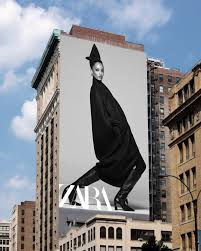
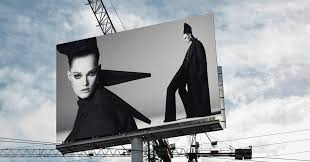
This article explores how Zara case study biography and marketing philosophy shaped one of the most influential retail models in history—and how brands today can apply the same principles with the support of a strategic auto advertising agency in india.
The Origin Story That Still Shapes the Brand
Zara’s early years were defined by constraint. Limited capital meant limited excess. Every decision had to serve demand. When the original store name “Zorba” conflicted with a nearby business, the founders renamed it Zara case study—short, sharp, and easy to remember. That simplicity became part of the brand’s DNA.
During the 1980s, Amancio Ortega re-engineered the entire fashion supply chain. Design, manufacturing, distribution, and retail were no longer separate silos. They became a single, vertically integrated system. This allowed Zara to move designs from concept to store shelves in as little as two to three weeks.
The result was not just faster production, but smarter production.
Speed as a Strategy, Not a Gimmick
Zara’s speed is often misunderstood as volume. In reality, it is precision.
Instead of predicting trends months in advance, Zara case study observes real consumer behavior in real time. Store managers relay feedback directly to design teams in Spain. Data from sales, returns, and in-store reactions informs what gets produced next.
This operational rhythm allows Zara to release new collections multiple times a week. Customers don’t just shop at Zara—they check in. On average, Zara customers visit stores far more frequently than traditional apparel retailers, driven by the promise of something new every time.
This model creates natural urgency without artificial pressure. Scarcity becomes organic. Demand feels earned.
Stores That Function Like Living Media
Zara doesn’t treat stores as distribution points. Stores are communication channels.
Every Zara case study location sits in a premium, high-traffic urban environment. From Oxford Street to Fifth Avenue, the brand invests in physical visibility rather than paid media. The storefront, the window display, the interior layout—all serve as the brand’s primary marketing language.
Inventory is deliberately limited. When a product sells out, it rarely returns. This reinforces decisiveness in purchasing behavior and keeps inventory risk low. It also turns customers into brand participants rather than passive buyers.
This philosophy mirrors how a modern auto advertising agency in india designs high-impact physical visibility—placing brands where attention already exists, rather than interrupting it.
Marketing by Listening, Not Broadcasting
One of Zara’s most distinctive choices is its minimal spend on traditional advertising. With less than one percent of revenue allocated to ads, Zara redirected investment into infrastructure, logistics, and store experience.
Instead of broadcasting messages, Zara allows customers to discover the brand through:
Physical presence in aspirational locations
Consistent visual identity
Fast adaptation to cultural and regional preferences
The message is subtle but powerful: relevance is more persuasive than repetition.
Digital Without Noise
Zara case study entered e-commerce in 2010 and later integrated RFID technology to track inventory in real time. This wasn’t about chasing trends—it was about maintaining operational clarity at scale.
On social platforms, Zara avoids promotional clutter. Its content feels editorial, art-driven, and fashion-forward. The brand doesn’t sell outfits—it curates moods. Influencer collaborations remain selective, aligned more with aesthetic credibility than follower counts.
This restraint reinforces trust. Customers feel invited, not targeted.
Sustainability as a Long-Term Signal
With the launch of the Join Life initiative, Zara case study embedded sustainability into its supply chain and materials strategy. Rather than using sustainability as a headline, Zara uses it as an operational baseline—gradually shifting toward more responsible fabrics and processes.
This approach reflects a deeper understanding of brand equity: long-term trust compounds faster than short-term applause.
A Snapshot of Zara’s Strategic Framework
Strategic Area
Core Approach
Production
Vertically integrated
Inventory
Small, frequent batches
Marketing
Store-first visibility
Speed
Weeks, not seasons
Feedback
Real-time, store-led
Digital
Integrated, not isolated
Zara’s success is not accidental. It is engineered through consistency, restraint, and responsiveness.
Translating Zara’s Philosophy Into Modern Brand Growth
Not every brand is a global fashion retailer. But every brand can adopt Zara’s mindset.
At its core, Zara case study teaches three lessons:
Be present where decisions are made
Respond faster than expectations
Let experience speak louder than claims
This is where Acme Advertising Co. steps in—not to replicate Zara, but to apply its principles across industries using grounded, real-world media execution.
How Acme Advertising Co. Applies Zara-Inspired Thinking
Acme Advertising Co. operates on a simple belief: brands grow when visibility, timing, and context align.
As an experienced auto advertising agency in india, Acme focuses on physical media ecosystems that work together rather than compete for attention. This includes outdoor media, transit visibility, retail environments, and integrated on-ground touchpoints.
Much like Zara’s store strategy, Acme Advertising Co. prioritizes where a brand appears as much as how often it appears. High-traffic corridors, commuter routes, retail clusters, and urban landmarks are selected based on behavior, not just impressions.
This ensures brands don’t shout into the void. They show up when audiences are already receptive.
A disciplined auto advertising agency in india understands that visibility works best when it feels natural, not forced.
Speed, Adaptability, and Feedback Loops
Zara’s edge lies in rapid feedback. Acme mirrors this by continuously monitoring campaign performance and adapting execution on the ground. Creative formats, placements, and messaging are refined based on response patterns—not assumptions.
This creates campaigns that evolve instead of expiring.
E-E-A-T in Practice, Not Just Theory
Acme Advertising Co. aligns with E-E-A-T principles naturally:
Experience through executed campaigns
Expertise through planning and media strategy
Authoritativeness via consistent delivery
Trust built through transparency and realism
Growth That Feels Organic, Not Engineered
Zara case study never chased attention. It earned it.
Acme Advertising Co. applies the same philosophy—helping brands grow through presence, consistency, and relevance across physical and digital touchpoints.
When campaigns feel useful instead of intrusive, audiences respond with trust.
Let Acme Advertising Co. help your brand shine across cities, roads, and high-traffic locations.
Your brand deserves visibility that moves people — let’s make it happen.
Frequently Asked Questions
How does physical visibility support long-term brand growth? Consistent real-world presence builds familiarity, which translates into trust and recall.
Why is speed important in modern marketing execution? Faster response allows brands to stay relevant as consumer behavior evolves.
Can smaller brands apply strategies inspired by Zara? Yes, when principles are adapted thoughtfully rather than copied.
How does Acme Advertising Co. ensure relevance in campaigns? Through data-backed planning and continuous performance feedback.
What role does creativity play in outdoor advertising? Creativity captures attention, but clarity sustains it.
Is physical media still effective in a digital-first world? Physical media complements digital by anchoring brand credibility.
How does an auto advertising agency in india support diverse industries? By tailoring visibility strategies to location, audience, and context.
What makes Acme Advertising Co. a strategic partner? A focus on execution, realism, and long-term brand value.
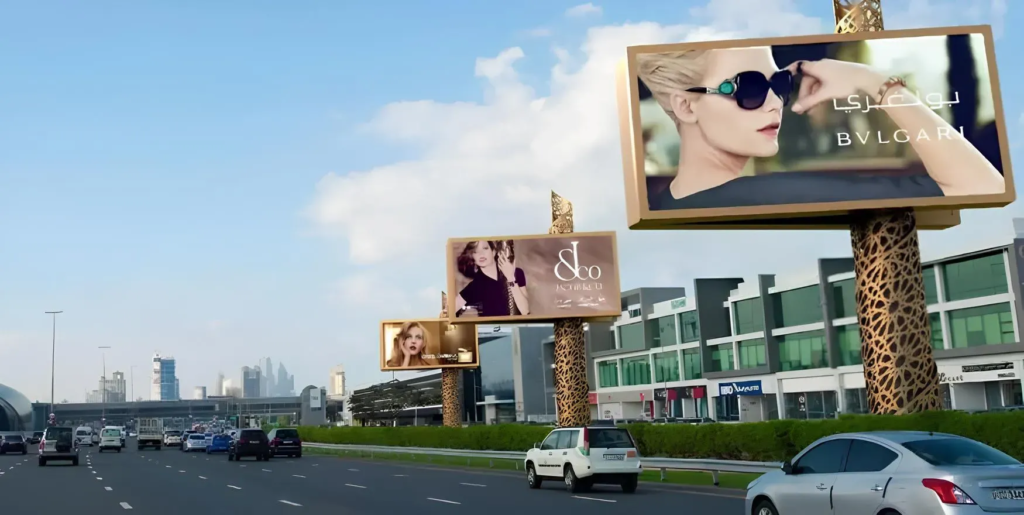
Unipole advertising in UAE, Dubai is one of the most powerful outdoor media formats for brands that want high visibility, credibility, and long-lasting recall. These tall, single-pole structures are placed on highways, arterial roads, and premium city entry points, ensuring your message reaches commuters, tourists, and business audiences daily. With Dubai’s fast-moving lifestyle and high traffic density, unipole advertising delivers consistent exposure where attention naturally stays high. Brands across real estate, retail, luxury, automotive, fintech, and tourism actively use unipoles to build trust and scale presence. When executed strategically, unipole advertising in Dubai becomes a strong growth driver, not just a visibility tool.
What Is Unipole Advertising in UAE, Dubai?
Unipole advertising refers to large-format outdoor hoardings mounted on a single central pole, designed for long-distance visibility. In UAE, especially Dubai, unipoles are placed along highways like Sheikh Zayed Road, arterial routes, airport corridors, and commercial entry zones.
Why unipoles stand out in Dubai:
High elevation ensures clear sightlines
Ideal for brand-led storytelling
Visible to millions of daily impressions
Works 24/7 without digital fatigue
Unlike short-format ads, unipoles allow brands to dominate visual space with clean messaging, bold creatives, and premium positioning. This makes unipole advertising in UAE, Dubai a preferred choice for brands seeking authority and recall.
Why Is Unipole Advertising So Effective in Dubai?
Dubai is built for movement—cars, taxis, buses, tourists, and professionals are always on the move. Unipole advertising aligns perfectly with this lifestyle.
Key effectiveness drivers:
High traffic density: Daily exposure to commuters and tourists
Long dwell time: Vehicles slow down at junctions and signals
Premium perception: Large formats build instant trust
Broad audience reach: Local residents + international visitors
Brands benefit because unipole advertising in UAE, Dubai creates familiarity quickly. Repeated visibility builds brand confidence, which directly influences purchase and inquiry behavior.
Which Brands Benefit Most from Unipole Advertising in UAE, Dubai?
Unipole advertising works best for brands that want scale, authority, and long-term recall.
Top benefiting industries:
Real estate developers and brokers
Luxury and lifestyle brands
Automotive and EV companies
Retail chains and malls
Fintech, banking, and insurance
Hospitality, travel, and tourism
For new market entrants, unipoles create instant credibility. For established brands, they reinforce leadership. This is why the best unipole advertising in UAE, Dubaiis often used as a core branding investment, not an add-on.
How Does Unipole Advertising Compare to Other OOH Formats?
Format
Visibility
Brand Recall
Ideal Use
Unipoles
Very High
Very Strong
Brand authority
Billboards
High
Strong
City branding
Digital OOH
High
Strong
Dynamic messaging
Transit Media
Medium
Moderate
Frequency
Street Furniture
Local
Tactical
Proximity marketing
Unipole advertising in UAE, Dubai sits at the top when the goal is impact at scale. It complements digital and transit media rather than replacing them.
What Makes Acme Advertising Co. a Trusted Choice for Unipole Advertising?
Acme Advertising Co. focuses on authentic placements, on-time execution, and brand-safe delivery. We work with a planning-first mindset, ensuring every unipole campaign aligns with your brand goals.
Why brands choose Acme:
Verified media locations
Transparent execution process
Creative-to-installation control
Strong coordination with authorities
Performance-focused planning
Acme at a glance (20 words): 17+ years experience, 2300+ campaigns, 500+ clients, 77% repeat rate, pan-India presence, 50k+ sq ft printing daily.
How Does Acme Plan High-Impact Unipole Campaigns?
Our approach combines location intelligence, creative clarity, and execution discipline.
This systematic approach helps brands scale outdoor campaigns efficiently while maintaining quality and compliance.
What Are the 2026 Trends in Unipole Advertising?
Unipole advertising is evolving with changing audience behavior and sustainability goals.
Key 2026 trends:
Digital integration: QR-led engagement and DOOH hybrids
Sustainable materials: Eco-friendly flex and inks
Minimalist creatives: Bold visuals, fewer words
Data-backed placements: Traffic and mobility analytics
The best unipole advertising in UAE, Dubai will combine physical presence with digital touchpoints for measurable outcomes.
How Does Unipole Advertising Support Long-Term Brand Growth?
Unipoles are not about instant clicks—they are about lasting brand memory.
Growth benefits:
Builds familiarity over time
Enhances trust before purchase
Supports retail and digital campaigns
Strengthens market positioning
Brands that invest consistently in unipole advertising in UAE, Dubai often see stronger inbound inquiries and higher campaign effectiveness across channels.
Frequently Asked Questions (FAQs)
1. Is unipole advertising legal in UAE, Dubai?
Yes, when executed through approved locations and authorities with proper permissions.
2. How long should a unipole campaign run?
Ideally 4–12 weeks for strong recall and frequency.
3. Can unipole advertising support lead generation?
Yes, especially when combined with QR codes, URLs, or brand search lift.
4. Which locations work best in Dubai?
Highways, airport roads, business corridors, and city entry points.
5. Is unipole advertising suitable for new brands?
Absolutely. It builds instant credibility and market presence.
6. Can unipoles be part of a 360° campaign?
Yes, they integrate well with transit, retail, and digital media.
Ready to Dominate Visibility in UAE, Dubai?
If you want your brand to stand tall, stay visible, and build lasting recall through unipole advertising in UAE, Dubai, partner with a team that delivers with confidence.
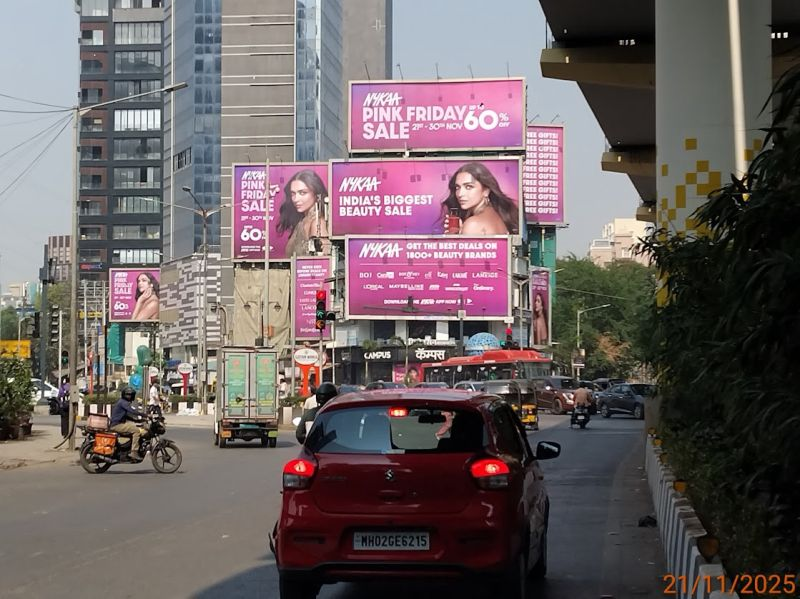
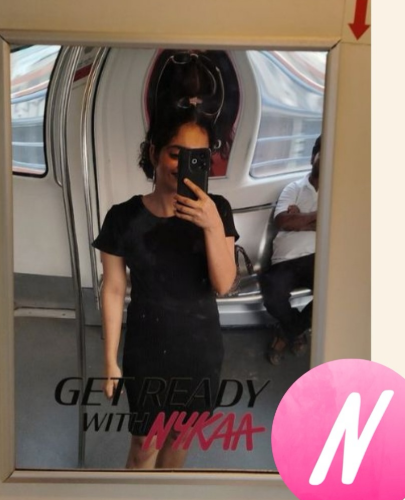
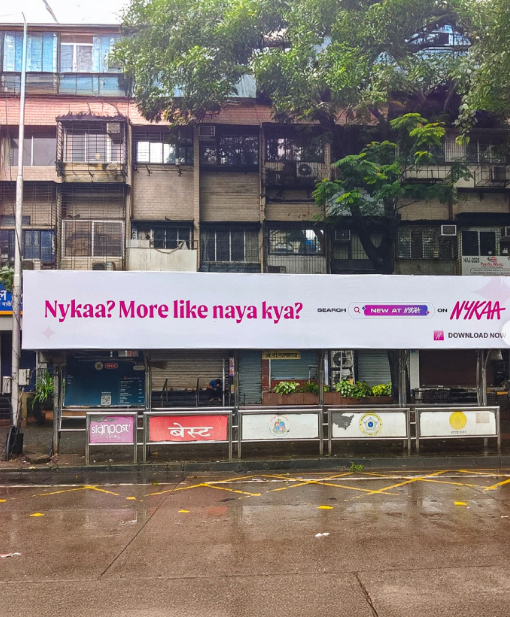
Nykaa case study: is not just a beauty brand—it is a retail revolution. Founded in 2012 by former investment banker Falguni Nayar, Nykaa transformed how India discovers, experiences, and buys beauty, wellness, and fashion products. From a digital-first beauty platform to a woman-led unicorn, and finally a landmark IPO in 2021, Nykaa’s journey is a masterclass in strategic vision, omnichannel marketing, and brand-led growth.
What truly sets Nykaa apart is its 360-degree marketing ecosystem—where outdoor advertising, transit media, physical retail stores, digital platforms, influencers, and celebrity campaigns work together seamlessly. This case study breaks down how Nykaa used OOH, transit, retail, and integrated media strategies to achieve massive reach, deep engagement, and sustained business growth across India.
About Nykaa Case Study: Brand Overview
Founded: 2012
Founder: Falguni Nayar
Industry: Beauty, Wellness & Fashion Retail
Business Model: Omnichannel (Online + Offline)
Milestones:
Became a unicorn in 2020
Successful IPO in 2021
Falguni Nayar became one of India’s richest self-made women
Nykaa positioned itself as a trusted curator, not just a marketplace—offering authenticity, education, and aspiration in a cluttered beauty market.
Nykaa’s 360-Degree Marketing Philosophy
Nykaa follows a “Digital-first, Physical-strong” strategy. Instead of choosing between online and offline, the brand integrates both to create one continuous consumer journey.
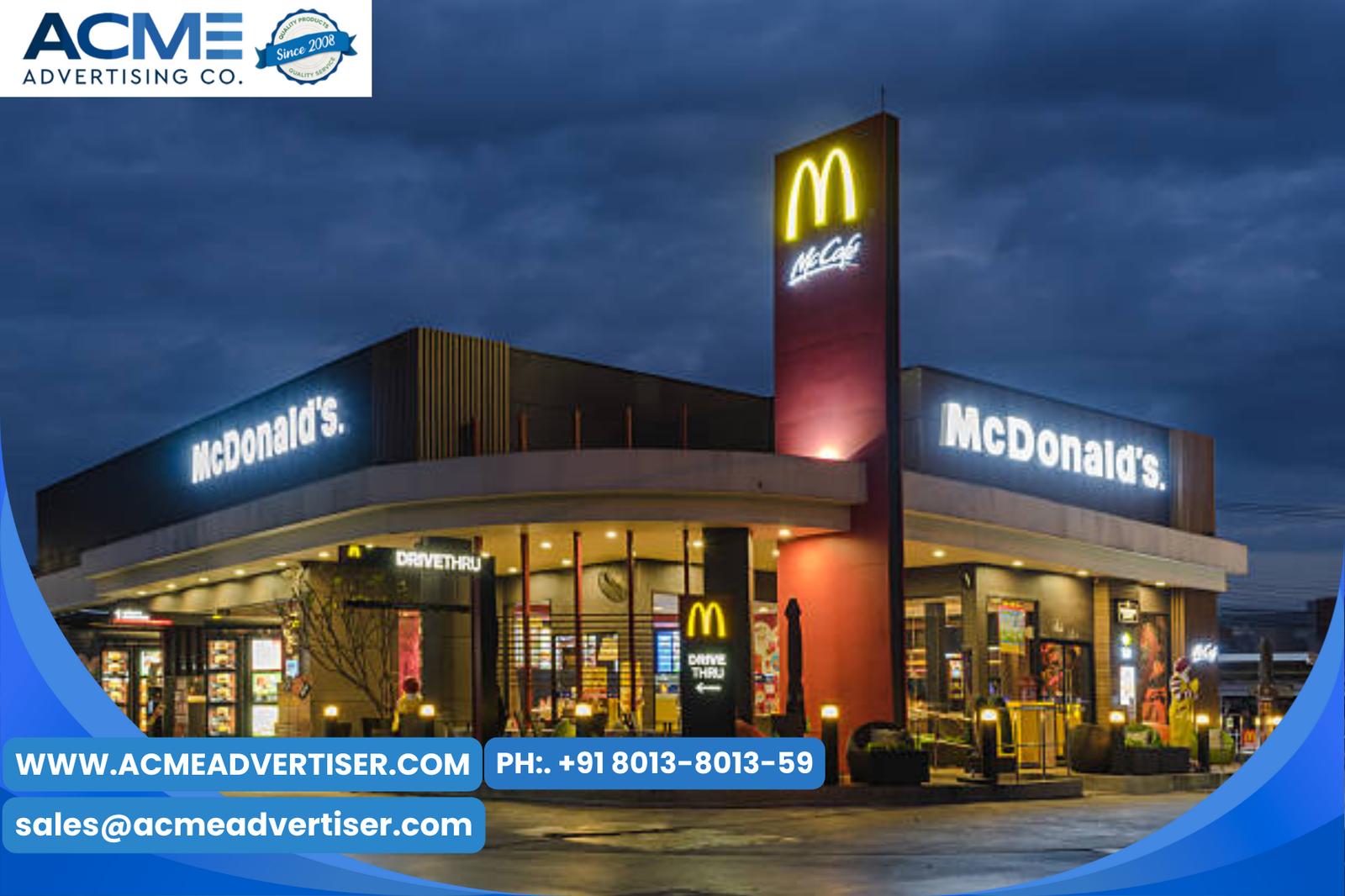
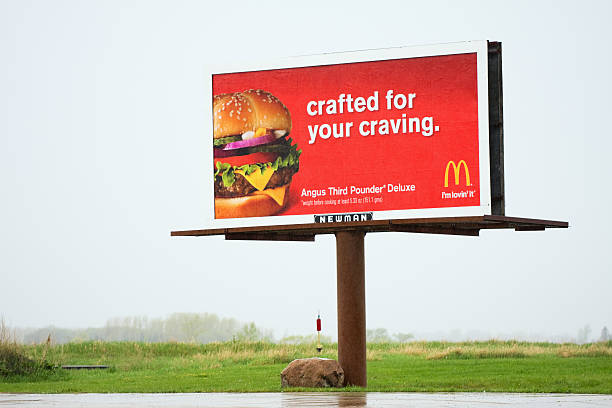
McDonald’s is not just a fast-food brand—it is one of the strongest examples of how consistent visibility, smart outdoor presence, and retail media dominance can turn a simple idea into a global cultural symbol.
From a small hamburger stand in California to a worldwide network of restaurants, McDonald’s growth story is deeply connected to how it placed its brand where people live, move, and buy. This case study explores McDonald’s journey, its strategic use of outdoor and retail media, and what modern brands can learn from it.
A Page from McDonald’s History
The story of McDonald’s begins not with a corporation, but with two brothers who wanted to serve food faster.
McDonald’s Case Study: How Outdoor Advertising Drove Footfall & Brand Recall
In 1940, brothers Richard (Dick) and Maurice (Mac) McDonald opened their first restaurant in San Bernardino, California. It was originally a barbecue drive-in where customers were served in their cars.
By 1948, they made a bold decision. They shut down the restaurant temporarily and completely redesigned the operation. The result was the “Speedee Service System”—an assembly-line method of preparing food that focused on:
Limited menu
Faster service
Lower prices
Consistent quality
This system didn’t just improve efficiency—it created the foundation of modern fast food.
They also introduced the now-iconic Golden Arches, which became one of the most recognizable visual identities in the world.
Ray Kroc: The Man Who Scaled the Vision
In 1954, Ray Kroc, a milkshake machine salesman, visited the McDonald brothers’ restaurant. What impressed him wasn’t just the food—it was the system.
From Franchise Agent to Global Builder
1955: Ray Kroc became the franchise agent and opened the first McDonald’s franchise in Des Plaines, Illinois
1961: He bought the rights to the McDonald’s name and system for $2.7 million
Focused on standardisation, quality control, and visibility
Kroc believed that a brand should look and feel the same everywhere. This belief shaped McDonald’s advertising, store design, signage, and outdoor presence globally.
Outdoor media ensured McDonald’s stayed top-of-mind, even before digital marketing existed.
Transit Media: Staying Visible on the Move
How McDonald’s Used Outdoor & Transit Media to Boost Local Visibility
McDonald’s has also used transit media to connect with commuters.
Bus shelters
Metro panels
Airport branding
Roadside directional signage
This helped the brand reach people during daily routines—morning commutes, evening drives, and travel moments—when food decisions are often spontaneous.
Transit media strengthened frequency, a key factor in McDonald’s recall.
Retail Media: Winning at the Point of Purchase
If outdoor media brought customers close, retail media converted them.