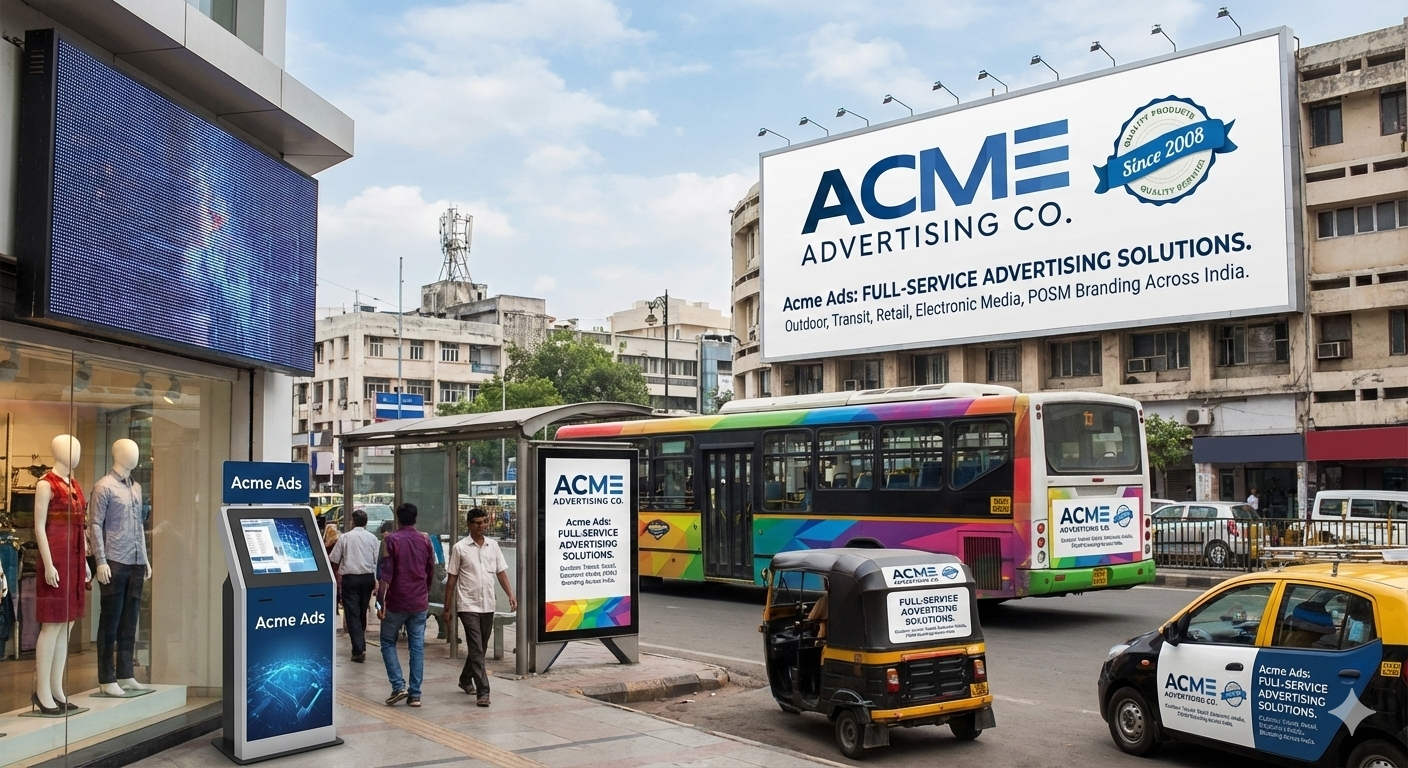
How Acme Advertising Co. Can Replicate This Growth for Your Brand
Key Takeaways
FAQs
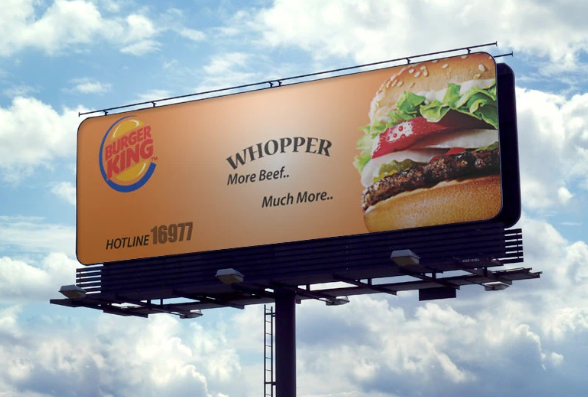
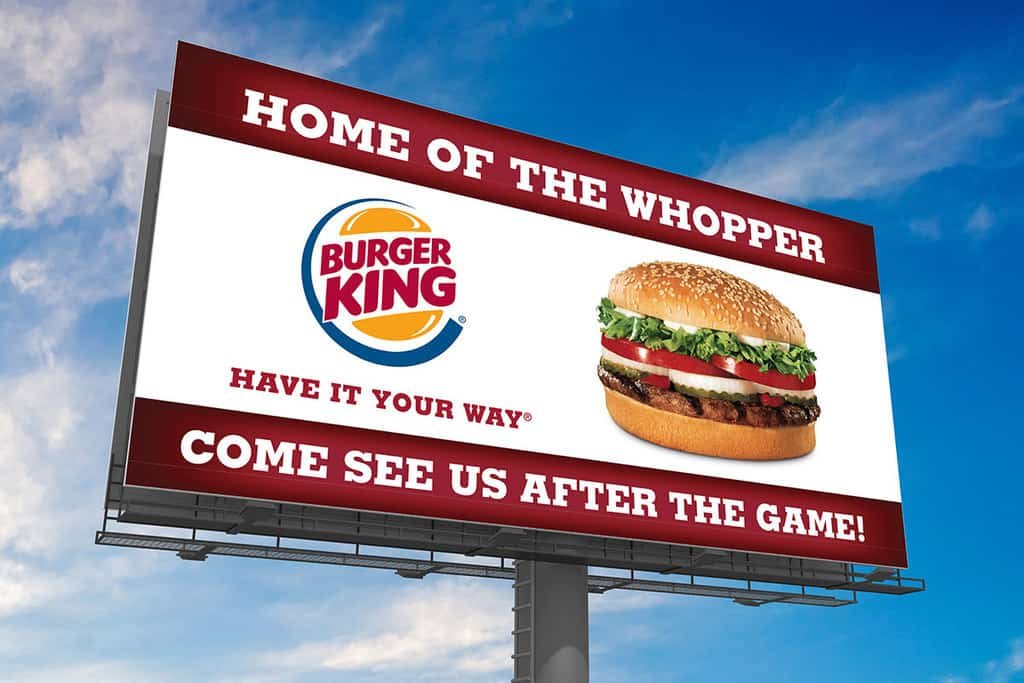
Burger King Billboard Design
1. The Rise of Burger King: A Quick Brand Backstory
Burger King started in 1954 in Miami with a simple mission: serve fast food fast and make it iconic. From the Whopper to bold marketing stunts, BK scaled nationwide — then worldwide — not because it shouted louder, but because it marketed smarter. Their brand personality? Bold. Cheeky. Challenger mindset. A playbook perfect for breaking through clutter.
2. The Marketing Playbook: How Burger King Captured Attention
Storefront OOH branding to drive immediate walk-ins
Large, irresistible food shots + witty headlines = a daily reminder that hunger is only one turn away. Outdoor media gave BK 24/7 presence, geographical dominance, and constant top-of-mind recall.
4. Digital, Social & Experiential: The Modern Burger King Mix
The Tech Evolution: Programmatic, Data-Proofing & Measurement
Compliance, Accuracy & Ethical Advertising
ROI, Reach & Real-World Success Patterns
Future Trends That Will Redefine US Outdoor Media
Conclusion
FAQs
US Outdoor Media Advertising
1. Why Outdoor Ads Still Run the Show
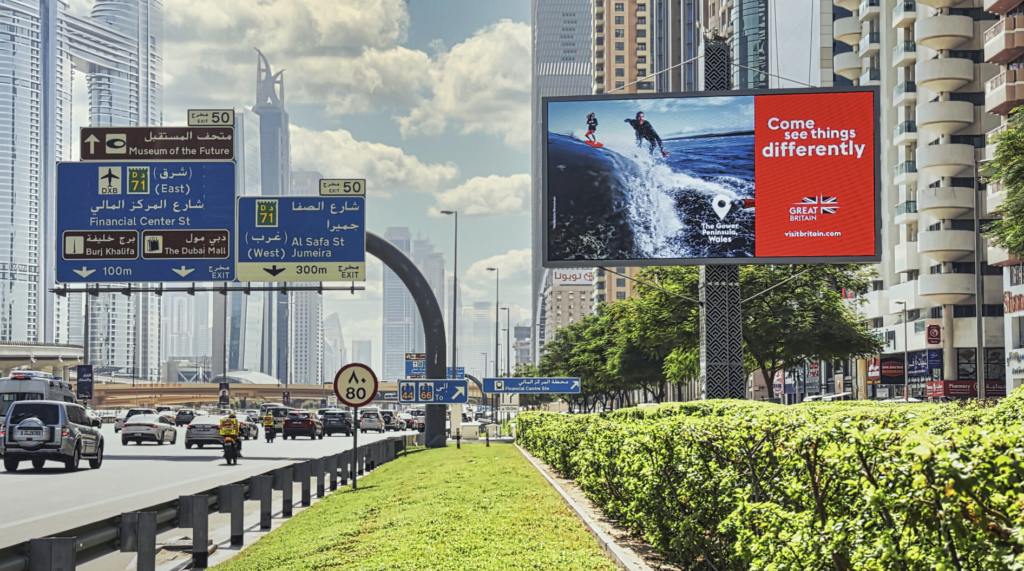
Outdoor media in the US isn’t just a format — it’s premium real estate for brand visibility. When a billboard towers over Times Square, a transit wrap cruises through LA, or a digital screen lights up Chicago, brands tap into something powerful: constant visibility in high-value locations. It’s advertising with altitude and attitude.
2. The US Outdoor Media Landscape
From New York’s iconic digital billboards to Miami’s highway spectaculars, the US offers a diverse, high-traffic ecosystem of OOH placements. Every format is governed by clear regulations, data-backed planning, and verified audience metrics — ensuring advertisers stay compliant and effective.
Consumers can scroll past an ad online, but they can’t swipe away a 60-foot billboard. Outdoor ads trigger repeated exposure, brand recall, and trust through long-term visibility. It builds presence without feeling intrusive — a subtle power move.
Each format adheres to local advertising guidelines, ensuring accuracy, clarity, and responsible messaging.
5. How the US Audience Interacts With OOH
US commuters, travelers, and city dwellers encounter outdoor media daily — often multiple times per route. Brands get to reach diverse demographics without privacy issues or data friction. It’s brand visibility delivered at scale.
US Outdoor Media Advertising
6. Creative Strategies That Turn Heads
Outdoor media thrives on:
Big, bold visuals
Short, punchy messaging
Humor (yes, even dad-joke levels work)
Real-time contextual ads
High-contrast design and dynamic data-driven creatives
When a billboard cracks a clever line during rush hour, that’s not coincidence — that’s strategy with a wink.
7. The Tech Evolution: Programmatic, Data-Proofing & Measurement
Modern US OOH uses:
Real-time audience analytics
Geo-fencing
Mobile retargeting
Programmatic DOOH buying
Transparent measurement standards
This keeps campaigns accountable, creative, and aligned with industry regulations.
8. Compliance, Accuracy & Ethical Advertising
US outdoor media operates under federal, state, and municipal guidelines that prioritize:
Truthful messaging
Non-deceptive claims
Safety-first placement
Zero comparative defamation
Campaigns remain factual, brand-safe, and consumer-friendly.
9. ROI, Reach & Real-World Success Patterns
Outdoor advertising is a high-ROI channel because it delivers:
Massive daily impressions
High recall rates
Strong support for digital campaigns
Location-driven impact
Brands across retail, tech, entertainment, and finance use OOH to amplify awareness and boost conversions.
10. Future Trends That Will Redefine US OOH
3D anamorphic digital creatives
AI-driven personalization
Green, energy-efficient displays
Smart urban screens
Integrated cross-channel analytics
Outdoor is getting smarter, greener, and sharper — the perfect trifecta.
US outdoor media advertising offers unmatched visibility, creative freedom, strong compliance, and data-backed performance. When brands want scale, credibility, and a little splash of street glamour — OOH delivers. Connect with Acme Advertising Co. for Outdoor Media Advertising
FAQs
1. What is outdoor media advertising in the US?
It includes billboards, digital screens, transit ads, and street furniture used to promote brands across American cities and highways.
2. Is outdoor advertising effective for brand awareness?
Yes. OOH delivers high reach, memorable impressions, and consistent visibility — making it one of the strongest awareness-driving channels.
3. What are the most popular US outdoor advertising formats?
Digital billboards, static billboards, metro ads, bus wraps, airport displays, and mall media are among the top-performing formats.
4. How is outdoor advertising measured in the US?
Advertisers use verified metrics such as impressions, footfall data, location analytics, and DOOH performance reports.
5. Is OOH compliant and regulated?
Yes. Every US outdoor media format follows strict advertising regulations to ensure accuracy, safety, truthfulness, and privacy compliance.
If there’s one brand that has truly mastered the art of being “everywhere,” it’s Coca-Cola. The brand is not just a beverage—it’s a feeling, a memory, a moment of refreshment that appears in our daily lives in ways we may not even consciously notice.
From giant outdoor billboards towering over highways to the iconic red coolers in neighborhood kirana shops, Coca-Cola has built a marketing ecosystem that works together seamlessly. And the beauty of their strategy is simple: stay visible, stay accessible, and stay emotionally relevant.
Today, let’s break down how Coca-Cola uses Out-of-Home (OOH), transit media, retail media, and POSM (Point of Sale Materials) to remain one of the most recognizable brands in the world—all explained in a warm.
1. Coca-Cola Uses Integrated Advertising:
Out-of-Home (OOH) & Transit Media: How Coca-Cola Stays “On the Go” With You
Coca-Cola has always believed that visibility equals memorability. That’s why their OOH and transit strategy is all about being present wherever people move, walk, travel, or gather.
Billboards That Capture Moods, Moments & Weather
Coca-Cola’s billboards are not just static visuals—they are reminders of joy.
Think of campaigns like “Share a Coke,” where billboards displayed names or messages that instantly felt personal. In some cities worldwide, Coca-Cola even adapted billboards to show different creatives based on weather and time of day—for example:
Hot afternoons = “Grab an Ice-Cold Coke”
Evenings = “Share a Coke With Friends”
Rainy days = comforting warm-toned visuals
These small shifts create moments that feel relevant to people’s lives. And that relevance builds deeper emotional connections.
Transit Media: Catching Eyes in Daily Commuting
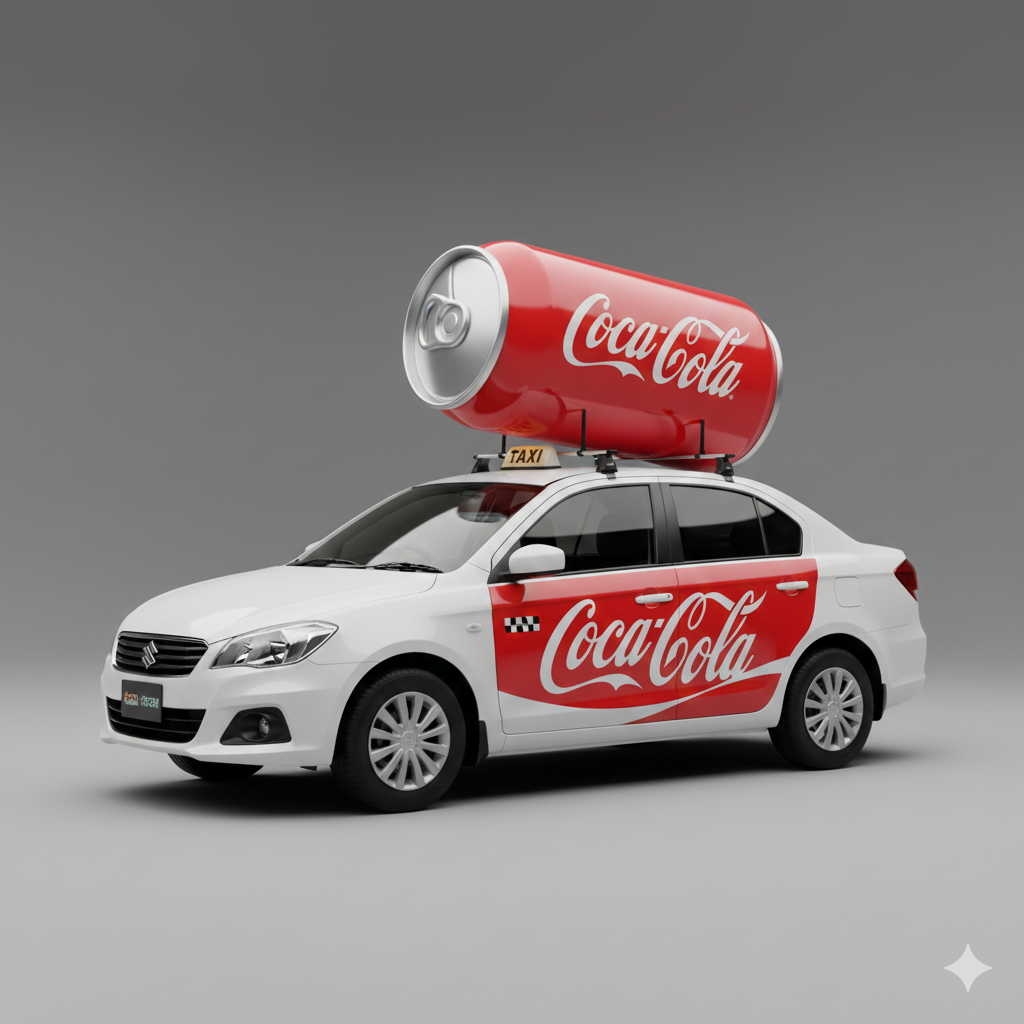
Coca-Cola uses transit media to reach millions of travelers in an effortless way. Their branding is commonly seen across:
For example, the global “Holidays Are Coming” Christmas campaign—with the magical Coca-Cola trucks—became so iconic that it extended from TV into real trucks touring cities, becoming a moving outdoor spectacle. This real-world activation adds a festive emotional layer to a simple OOH display.
Location-Based Visibility: Being Where the Thirst Happens
Coca-Cola carefully places OOH ads in high-footfall areas that align with its distribution strength.
The idea is simple: “Wherever you see the ad, a Coke shouldn’t be far away.”
This psychological closeness helps drive instant purchases, especially in:
Markets
Educational zones
Transit hubs
Entertainment districts
Food courts
Malls
By pairing OOH visibility with nearby retail outlets, the brand ensures top-of-mind recall exactly when a consumer feels thirsty or wants a quick refreshment.
2. Retail Media & POSM Items: Where the Final Decision Happens
While OOH builds awareness, retail media and POSM convert that awareness into actual sales. Coca-Cola excels at making the final moment of purchase exciting, informative, and visually irresistible.
Branded Coolers: The Red Attraction You Cannot Ignore
The Coca-Cola cooler is one of the most powerful brand assets ever created.
The consistent red colour, the contour bottle shape, and the vibrant branding naturally draw attention—even from across the store.
Shelf Branding & Displays: Winning the Aisle Battle
Inside supermarkets and hypermarkets, Coca-Cola uses:
Shelf strips
Wobblers
Top shelves
Side-stack towers
Festive displays
Promotional dump bins
These aren’t just for decoration—they strategically drive shoppers to choose Coca-Cola over alternatives.
The unique bottle shape and the personalized “Share a Coke” labels further help the product stand out among dozens of beverage options with technology.
These small but impactful tools help shoppers immediately spot promotions, combo offers, or new product launches.
Partnering With Fast-Food Giants
Coca-Cola’s tie-ups with restaurants like McDonald’s are legendary.
These partnerships ensure:
Coca-Cola is the default beverage choice
Signages and menu boards highlight their products
The brand stays visible in high-volume environments
Such collaborations strengthen both availability and loyalty.
3. How Coca-Cola Makes All Channels Work Together (The Real Magic)
What makes Coca-Cola’s strategy truly unique is the integration. None of these channels—OOH, transit, retail media, POSM—work alone. They feed into each other.
If you want your brand to shine, stand out, and stay top-of-mind… Acme Advertising Co. is your partner in limitless visibility.
Scale your brand like a global giant. Be seen everywhere. Be remembered every day. Partner with Acme Advertising Co. for OOH, transit, retail, electronic media, and POSM branding. Your next big campaign starts here.
kalyan jewellers success story: In a country where jewellery is more than a purchase—where it’s tradition, emotion, investment, and cultural identity—very few brands have managed to win the confidence of millions across generations. Kalyan Jewellers stands out as one of those rare names.
From a single showroom in Thrissur, Kerala, to becoming one of India’s and the Middle East’s leading jewellery brands, the brand’s journey is a powerful example of what trust, transparency, and deep cultural understanding can achieve. This case study explores how Kalyan Jewellers built itself with honesty at its core and modern innovation as its supporting pillar—while respectfully competing in one of the most dynamic industries in India.
1. Kalyan Jewellers success story
The Beginning: A Vision Rooted in Trust
Founded in 1993 by T.S. Kalyanaraman, Kalyan Jewellers entered a jewellery market that was largely unorganized, where transparency wasn’t common and customers often depended only on their local jeweller’s reputation.
Kalyan Jewellers changed that narrative completely.
What made them different from Day One?
They introduced detailed price tags showing actual gold weight, purity, and making charges.
They offered transparent buy-back and exchange policies, something very rare at that time.
They adopted BIS Hallmarking even before it was a legal requirement.
This commitment to honesty transformed how people perceived jewellery buying. Customers didn’t just buy jewellery—they bought confidence.
India is a mosaic of cultures, each with unique jewellery tastes. Kalyan Jewellers embraced this beautifully through a hyperlocal strategy that respected regional preferences.
How they adapted locally:
Designs tailored to every region: They created collections that aligned with Tamil wedding traditions, Kerala’s minimalist gold culture, North India’s bridal glamour, and Middle Eastern styling preferences.
Regional brand ambassadors: Instead of a single national face, they featured popular actors from every region such as Amitabh Bachchan, Nagarjuna, Prabhu, Manju Warrier, and more.
Localized marketing campaigns: Their ads felt personal because they spoke the cultural language of each geography.
This approach helped Kalyan Jewellers connect emotionally with diverse audiences across India and the UAE, making them more relatable and trusted.
3. Building a Brand on Ethical Practices
Trust was not just an element—it was the foundation of their identity.
Their trust-building pillars included:
Purity Guarantee: Customers received complete assurance on purity backed by national standards.
Transparent Pricing: Every detail—from gold rate to weight to making charges—was clearly displayed and explained.
Fair Buy-Back Policies: Customers knew exactly what value they would get if they ever wished to exchange their jewellery.
This transparency created an atmosphere where customers felt respected and informed. In a market where trust is everything, Kalyan Jewellers positioned themselves as a brand people could depend on.
4. Product Range That Celebrates Every Emotion
Kalyan Jewellers has a robust product portfolio that appeals to a wide range of customers—from everyday wear buyers to premium jewellery shoppers.
Their offerings include:
Gold jewellery for daily wear, festive occasions, and weddings
Diamond jewellery with modern, elegant designs
Platinum and silver collections
Signature wedding collections, especially the widely loved Muhurat Collection
This diversity allows the brand to stay relevant across age groups, lifestyles, and budgets.
5. Multi-format Stores and Deep Market Penetration
Kalyan Jewellers didn’t limit itself to metropolitan areas. Instead, they expanded across:
Urban cities
Semi-urban regions
Smaller towns
International markets
Their multi-format retail stores—from smaller boutiques to large-format showrooms—allowed them to connect with different customer segments. Additionally, the “My Kalyan” network extended their reach to rural and semi-urban belts, creating a strong grassroots presence.
6. Omnichannel Transformation: Blending Traditional & Digital
The brand kept pace with modern consumer habits by embracing digital technology early.
Key digital moves include:
Acquisition of Candere, an online jewellery platform
Virtual try-on tools to help customers see how a piece looks on them
Online consultations for personalised shopping
Digital campaigns that target younger consumers and NRI shoppers
The seamless combination of online convenience and offline trust helped Kalyan Jewellers stay competitive in a rapidly evolving marketplace.
7. Facing Competition with Innovation and Consistency
The Indian jewellery market includes strong players and high consumer expectations. Kalyan Jewellers navigated these challenges through:
Brand consistency
Product innovation
Customer-first policies
Culturally thoughtful storytelling
A strong network of stores and outreach centres
Their focus was never on competing negatively but on continuously strengthening their own brand values and customer experience.
8. Key Lessons From the Kalyan Jewellers Growth Story
Kalyan Jewellers’ journey teaches valuable business lessons:
• Trust wins markets.
Customers always choose clarity, honesty, and purity over anything else.
• Respect cultural diversity.
You can scale nationally only when you think hyper-locally.
• Innovate without losing your values.
Traditional industries can become modern brands without compromising heritage.
• Connect emotionally.
Jewellery is sentimental. Marketing needs to reflect that.
• Omnichannel is the future.
Brands must be present everywhere customers want them—offline, online, and everywhere in between.
9. Conclusion: A Brand Built on Heart and Honesty
Kalyan Jewellers is a strong example of how ethical practices, innovation, and cultural sensitivity can elevate a regional store into a global jewellery brand. Their approach demonstrates that while markets change, the human need for trust remains constant.
They didn’t just sell jewellery—they sold assurance, transparency, and respect.
Now, Make Your Brand Shine Like Kalyan Jewellers — With Acme Advertising Co.
If your business also wants to grow with trust, expand visibility, and connect with the right audience—just like Kalyan Jewellers— then it’s time to take your brand into the spotlight.
Acme Advertising Co. helps you scale with powerful advertising solutions:
Outdoor Media – Hoardings, billboards, unipoles, and more
how a heritage brand faced a reputational firestorm, rebuilt consumer trust, and re-emerged as India’s comfort-food MVP — powered by precision marketing, consumer behavior insights, and resilient brand architecture.
📞+91 8013-8013-59 I 📧sales@acmeadvertiser.com I ✨LinkedIn
maggi
1. The Backstory: A Brand Born in the Busy Indian Kitchen
Slide into 1983: India is buzzing with cable TV, cricket fever, and a population ready for anything that claims to be “2 minutes”, even though we all secretly know it takes at least five.
Nestlé introduced Maggias a category disruptor—addressing:
Busy working women
Kids craving a quick snack
College students living on a wallet thinner than a debit card with ₹42 inside
Maggi wasn’t just a product; it was a cultural onboarding into convenience food. A generation grew up believing “fast, tasty, and cheap” was a food group—and Maggi sat atop the pyramid like a 21st-century carbohydrate king.
2. The Crisis: When the Nation’s Favorite Noodles Hit a Wall
Enter 2015: the year the brand fell into a regulatory firestorm. Suddenly, every household that considered Maggi a kitchen soulmate was confronted with headlines that looked like corporate horror film trailers.
The Impact Was Brutal:
Statewide bans
Shelves wiped clean
Trust took a nosedive
The brand faced ₹450 crore in recall-related losses
It was the kind of quarter that makes CFOs Google, “how to fake my own disappearance.”
3. The Reboot Strategy: How Maggi Engineered the Return
Nestlé didn’t attempt a soft comeback—they launched a full-force, multi-lane, trust-rebuilding war room.
The strategy was anchored across 4 key pillars:
A. Transparency as a Weapon
Nestlé didn’t hide. They over-communicated:
Lab test results
Safety certifications
Manufacturing walkthroughs
Open media interactions
This was “radical transparency” before it became a buzzword consultants love throwing around in PowerPoints.
B. Emotional Reconnection
Moms, students, office-goers, late-night freelancers—everyone who had ever slurped Maggi had a memory tied to it. So, Maggi didn’t just sell food; it resuscitated those memories like a brand defibrillator.
C. Owned Media Dominance
Instead of waiting for endorsement from the world, they built their own narrative via:
Long-form videos
PR
Digital-heavy storytelling
Influencers
User-generated content
D. Channel-Wise Activation
Once cleared to return, Maggi blitzed every channel available—from pan-shop POSMs to full-blown OOH domination.
And just like that… a comeback that would make even Steve Jobs applaud.
How Maggi Won Hearts Again
4. The Marketing Makeover: How Maggi Won Hearts Again
Maggi’s revival was not luck—it was structured, data-backed, multi-channel orchestration. Let’s unpack the marketing engines that reactivated brand love at scale.
A. Emotional Storytelling
Campaigns like #WeMissYouMaggi transformed nostalgia into ROI.
The messaging focused on:
Warmth
Home
Relationships
Familiarity
Shared moments
Consumer sentiment shot up—fast.
B. Digital & Social Media Mastery
Maggi unleashed:
Behind-the-scenes “kitchen stories”
YouTube explainer films
Verified safety updates
Memes, reels & micro-content
Influencer-led trust campaigns
Engagement skyrocketed because people didn’t just want noodles—they wanted closure.
C. Retail Reinforcement
Visibility was restored through retail-first strategies:
Shelf highlight zones
Yellow theme POSMs
Counter-top displays
Multi-pack offers
In-store digital signages
Retail was no longer a support channel—it became a battlefield.
D. Heavy-Duty OOH & Transit Advertising
From metro wraps to highway hoardings—Maggi flooded high-frequency corridors.
Why OOH worked:
Immediate high recall
Familiar visual cues (the iconic yellow)
Trust-building through scale
Hyperlocal influence
OOH reminded an entire nation that Maggi wasn’t gone—it was coming home.
E. Rebuilding with Data
Nestlé tracked sentiment every day—literally. Their dashboards looked like mission control for a Mars landing.
5. Metrics, Tables & Charts
Table 1: Maggi’s Brand Metrics Before & After Return
How a Garage Startup Became a Global Growth Engine—And What It Teaches Modern Brands About Market Domination
1. Setting the Stage: The Garage, the Vision, and the Wild Bet
Picture this: mid-’90s Seattle—flannel shirts, grunge music, and dial-up internet that sounded like an angry robot warming up. In a modest garage, Jeff Bezos sat cross-legged on the concrete floor sketching business models on a whiteboard bought with pocket change.
The hypothesis? A digital-first retail model that never sleeps, scales like wildfire, and leverages marketing as a strategic flywheel—not a cost center.
It wasn’t glamorous. It wasn’t guaranteed. But it was audacious. And in the corporate ecosystem, audacious usually pays compound dividends.
2. The Amazon Game Plan: Build Trust, Drive Traffic, Scale Relentlessly
Amazon’s early marketing strategy wasn’t about big-budget heroics—it was about precision, customer obsession, and data-driven storytelling. Bezos didn’t want customers to buy something; he wanted them to buy in.
The Three-Phase Flywheel
Awareness: Make Amazon the default online shopping destination
Acquisition: Turn first-time buyers into habitual purchasers
Acceleration: Use data loops, personalization, and channel diversification
Here’s Amazon’s early growth snapshot:
Table 1: Amazon’s Early Growth Indicators (1996–2001)
Year
Active Users
Net Sales (USD)
Key Marketing Play
1996
180,000
$15.7M
Email outreach + PR
1998
2.5M
$610M
Category expansion + partnerships
2000
20M
$2.7B
Personalization engine launch
2001
30M
$3.1B
Marketplace model begins
Clearly, the rocket wasn’t waiting for clearance. It launched.
3. Amazon’s Marketing Breakthroughs: The Moves That Changed the Industry
A. The Personalization Engine
Not just “Customers who bought this also bought that”—it was behavioral economics blended with machine learning. Amazon made product discovery feel like destiny, not chance.
B. The Prime Power Play
A logistical masterstroke disguised as a membership program. Standard marketers saw shipping costs. Amazon saw a loyalty platform wrapped in a value proposition.
C. Multi-Channel Integration
Amazon never said, “One channel is enough.” It built an ecosystem—search, email, OOH, partnerships, TV, direct response, Alexa, devices, web, mobile apps.
A symphony, not a solo.
D. The Marketplace Expansion
Suddenly Amazon wasn’t just the store—it was the marketplace. The brand narrative shifted from a retailer to an indispensable infrastructure.
4. Chart Time: Amazon’s Marketing Growth Curve
Below is a simplified visual snapshot (in textual chart form) highlighting Amazon’s marketing-influenced revenue trajectory.
Chart 1: Amazon Revenue Growth Driven by Marketing (1997–2010)
Marketing wasn’t just a lever—it was the entire engine assembly.
5. The Story Behind the Strategy: How Amazon Rewired Consumer Behavior
Imagine walking into a store where:
Everything you want is in stock
Your past preferences predict your future needs
Checkout takes seconds
Delivery is faster than your morning chai
Amazon didn’t “advertise convenience”—they institutionalized it.
They turned consumer habit into corporate moat. They built loyalty not through discounts, but through relevance and reassurance.
And yes—this is where most brands quietly whisper, “We want that.”
6. The Big Marketing Lesson for Modern Brands
Brands today don’t need Amazon’s budget—they need Amazon’s mindset:
The Four Amazon Principles:
Customer-obsessed positioning
Data-backed decisioning frameworks
Channel diversification at scale
Brand consistency across touchpoints
If you get these right, your marketing no longer pushes your brand. It pulls your audience.
7. Bridging the Case Study to Your Brand Reality
Here’s the corporate truth serum moment: Most businesses don’t lose customers because of bad products—they lose them because of invisible brands.
And visibility? That’s where ACME Advertising Co. enters the battlefield like the commando unit your marketing never knew it needed.
8. How ACME Advertising Co. Helps Brands Build Their Amazon-Like Dominance
Just as Amazon scaled with multi-channel muscle, ACME champions brands with a 360° media ecosystem that turns touchpoints into triggers and audiences into advocates.
Let’s break it down.
A. OOH Media: Your Brand, But Billboard-Boss Mode
OOH is the corporate equivalent of taking center stage in a pitch meeting—you simply cannot be ignored.
We amplify brand visibility across:
Highways
Metro stations
Corporate hubs
Airport zones
High-footfall retail clusters
From massive hoardings to clever gantry placements, your brand stays front and center in the consumer psyche.
B. Retail Media: Influence at the Point of Purchase
Shoppers decide fast—and emotionally.
ACME ensures your brand gets the last word before the wallet opens:
In-store branding
Shelf strips & danglers
Mall atriums
Pop-up promotional zones
Hyperlocal brand activations
We don’t just drive footfall—we convert it.
C. Transit Media: Mobility Meets High Impressions
Amazon mastered convenience. Transit media masters frequency.
And frequency drives recall like nothing else.
We deploy across:
Metro trains
Buses
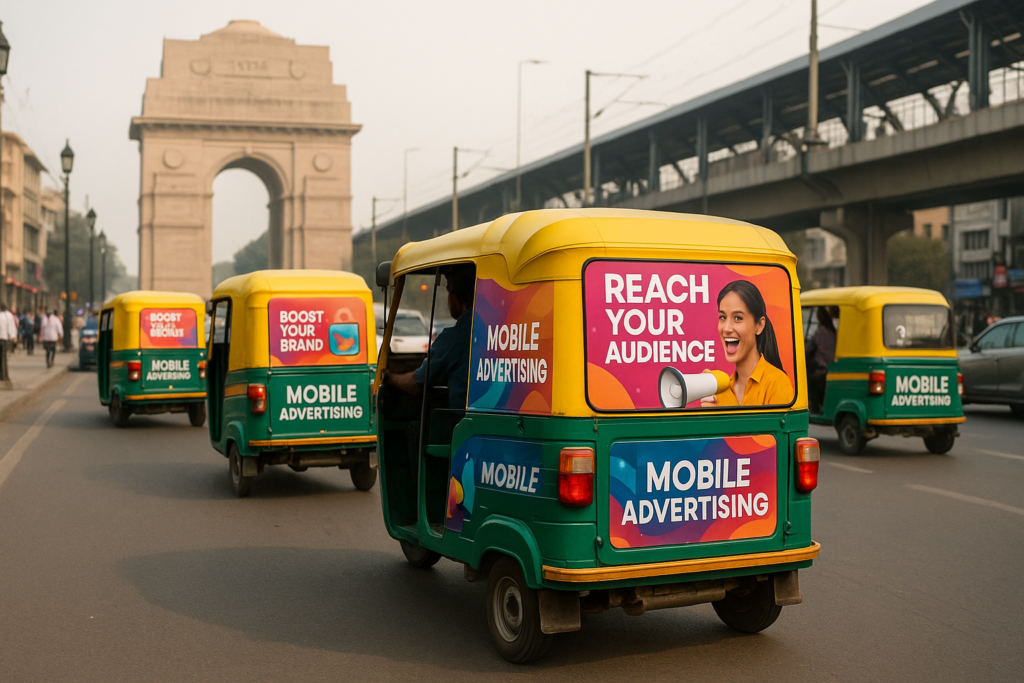
Autos
Cabs
Railway stations
Your brand becomes the constant companion of the urban commuter.
🌐www.acmeadvertiser.com 📞+91 8013 8013 59 📧sales@acmeadvertiser.com 👉🏻Connect with us on LinkedIn
The Strategic Rise of Non-Lit Boards in U.S. Retail Media: Unlocking Next-Gen In-Store Engagement: In the modern retail landscape—where consumers ricochet between digital and physical touchpoints faster than a marketer can say “omnichannel”—brands are aggressively recalibrating how they deploy media inside stores. Among the most rapidly emerging formats in this era of hybrid shopper journeys is the non-lit retail media board. These static, visually anchored placements are experiencing a renaissance across the United States, driving both operational efficiency and revenue lift for retailers while offering advertisers a high-impact, context-rich canvas.
For an industry captivated by screens, sensors, pixels, and programmatic wizardry, the non-lit board might seem like yesterday’s hero. But spoiler alert: it’s quietly becoming one of the most strategically valuable tools in the retail media stack—precisely because it delivers something today’s digital ecosystem struggles to replicate: predictable visibility, zero latency, and frictionless shopper attention.
Yes, we’ve come full circle. Static is the new dynamic.
Below is the full landscape analysis.
non lit boards are printed
1. Defining Non-Lit Boards in the Retail Media Ecosystem
In the U.S. retail media environment, non-lit boards are printed, static in-store displays that rely on ambient store lighting rather than backlit illumination. These include:
Header cards
Endcap signage
Shelf blades and aisle violators
Category navigational boards
In-store promotional posters
Although they lack the digital flash of screens, they deliver something just as valuable: cost efficiency and operational simplicity. They also serve as a high-visibility medium in areas where digital screens are impractical or where retailers seek a unified store aesthetic.
2. Why Non-Lit Boards Are Rising in Strategic Value
Non-lit boards have surged back onto the strategic roadmap for three primary reasons:
A. Cost-Effective Scale
When inventory expansion and ROI are under board-level scrutiny, non-lit boards allow retailers to deploy media at scale without the CAPEX drag of installing digital hardware.
B. High Proximity to Purchase
Placed inches from products, non-lit boards operate at the hottest moment of the consumer journey—where wallets begin to loosen and decision inertia melts away.
C. Zero Tech Overhead
No software updates. No system downtime. No screen calibration. Just pure, frictionless visibility.
In short: non-lit boards deliver stable performance without requiring a SWAT team of IT specialists.
3. Rise of Non-Lit Boards in U.S.: Unlocking Next-Gen In-Store Engagement: Market Dynamics: A U.S. Snapshot
Below is a condensed view of current adoption patterns across the U.S. retail market.
Table 1: U.S. Retail Adoption Landscape for Non-Lit Boards (2025)
The U.S. retail media landscape is evolving at record speed, and while digital signage steals most of the headlines, non-lit boards are performing the ultimate corporate magic trick—delivering high impact without high drama.
They’re cost-efficient, scalable, durable, and strategically placed at the decisive moment in the shopper journey. For retailers, they generate dependable media revenue. For brands, they boost visibility and conversion. For shoppers, they provide clarity in an aisle overflowing with choice.
In a world obsessed with “what’s next,” non-lit boards remind us that sometimes the most effective innovations aren’t new—they’re simply rediscovered, optimized, and deployed with precision.
Static is back. And it’s making moves.
Let’s take your message straight to the community. Reach out to ACME Advertising Co. today and unlock high-impact, hyper-local visibility with premium RWA Society Gate Branding solutions.
🌐www.acmeadvertiser.com 📞+91 8013 8013 59 📧sales@acmeadvertiser.com 👉🏻Connect with us on LinkedIn
Why Smart Brands Are Turning Residential Gateways into High-Impact Media Zones
🌐www.acmeadvertiser.com 📞+91 8013 8013 59 📧sales@acmeadvertiser.com 👉🏻Connect with us on LinkedIn
Let’s Unlock Your Local Visibility
In a world where audiences are scattered across endless platforms, Society Gate Branding offers something rare — guaranteed, hyper-local, everyday visibility. And at ACME Advertising Co., we transform RWA society gates into polished, high-performance advertising touchpoints that boost brand recall, trust, and conversion.
If your goal is to reach real families, real households, and real decision-makers, this medium gives you a direct pass — no detours.
Why RWA Gate Branding Works Like a Charm
What Is RWA Society Gate Branding?
Society Gate Branding refers to placing advertising panels, flex boards, digital frames, and creative displays on the entrance gates of residential colonies governed by RWAs (Resident Welfare Associations).
These gates act as the first and last touchpoint for thousands of residents and visitors entering the colony every day — making them a powerful, consistent, and trusted visual platform.
Why RWA Gate Branding Works Like a Charm
1. Daily, Repetitive Exposure
Residents pass these gates multiple times a day — morning walk, office commute, school drop-offs, grocery runs. This repetition fuels brand reinforcement without forcing attention.
2. Hyper-Local Precision
Forget mass-marketing wide nets. Gate branding lets you laser-focus on specific localities, income groups, and consumer lifestyles.
3. High Trust Factor
RWAs maintain strict standards. When a brand appears on their gates, it subconsciously signals: “Approved, safe, reliable.”
4. Budget-Friendly Visibility
Compared to large OOH formats, society gate branding offers excellent ROI while maintaining sustained visibility.
5. Perfect for Mass & Niche Brands Alike
From healthcare and education to FMCG, retail, fintech, and real estate — every industry benefits from direct neighborhood credibility.
Who Should Use RWA Society Gate Branding?
Grocery & FMCG brands
Pharmacies, clinics, hospitals
Ed-tech & coaching institutes
Banks, insurance companies & fintechs
Real estate developers
Retail stores, salons & services
Food delivery & cloud kitchens
If your customer lives in a society — this format works.
Types of Society Gate Branding Formats
1. Static Gate Panels
Durable, high-visibility panels ideal for long-term promotions. Perfect for brands seeking consistency.
2. Backlit Boards
Lit-up visuals that work 24/7 — especially powerful at night.
3. Digital Screens (Where RWAs Permit)
Dynamic content rotation, updates within seconds, and high engagement.
4. Creative Arch Gates
Full-gate makeover concepts for festive occasions, launches, or neighborhood events.
5. Side Panels & Pole Kiosks
Additional mini touchpoints around the entrance for amplified recall.
What Makes Society Gate Branding So Effective?
Factor
Impact
Daily Footfall
1500 – 20,000+ residents depending on locality
Average Viewing Time
3–7 seconds (consistent exposure)
Recall Rate
60–75% over a 30-day campaign
Cost Efficiency
High ROI due to long-term visibility
Target Accuracy
90%+ hyper-local relevance
These are generalized industry insights based on common residential advertising patterns.
The Psychology Behind Gate Branding
Let’s face it — your audience trusts what they see every day. Repetitive exposure builds familiarity. Familiarity builds comfort. Comfort builds preference.
And preference? That’s where decisions start tipping your way.
Choosing RWAs Over Traditional
Why Brands Across India Are Choosing RWAs Over Traditional OOH
1. Controlled Environment
No distractions, no clutter — just clean visibility.
2. Longer Attention Windows
Residents often pause at gates for security checks, making this a unique slow-moving media zone.
3. Non-Intrusive Presence
It doesn’t interrupt. It simply becomes part of their daily environment.
4. Zero Media Wastage
Your ads reach exactly who you intend to reach — families, working professionals, students, senior citizens, and homemakers.
ACME Advertising Co.: Your Trusted RWA Branding Partner
This is where we shine. At ACME Advertising Co., we don’t just place your branding — we orchestrate it.
Here’s what you get with us:
✔ End-to-End Execution
RWA approvals, site planning, design, printing, installation — we handle it all.
✔ Premium-Grade Materials
Weatherproof, fade-resistant, high-clarity panels for long-term durability.
✔ Hyper-Local Targeting Strategy
We help you pick societies that match your customer profiles.
✔ Creative + Data-Driven Approach
Our designs are not just beautiful — they’re built to convert.
✔ Transparent Reporting
Photos, videos, timelines, performance updates — no surprises, only clarity.
✔ 100% Compliance
We follow all RWA guidelines with respect and professionalism.
Campaign Possibilities That Brands Love
1. Festival Event Branding
Societies host Diwali, Holi, Christmas, Independence Day, and New Year celebrations — perfect for brand-led activations.
2. Health & Wellness Camps
Brands in healthcare, fitness, and nutrition unlock powerful engagement.
3. Society-Level Launch Campaigns
Product demos, sampling, and on-ground promotions at the gate.
4. Monthly Rotation Branding
Multiple societies over multiple months for wider hyper-local coverage.
How RWA Gate Branding Boosts Real-World Results
Higher Local Conversions
Residents prefer brands they repeatedly see near their homes.
Better Footfall for Local Stores
From salons to grocery stores — the proximity advantage is unmatched.
Growth in Digital Engagement
QR codes on gate branding can drive app installs, offer claims, or Google reviews.
Enhanced Brand Respect
Appearing within trusted neighborhoods elevates your perceived quality.
Sample Society Gate Branding Strategy (For a 30-Day Plan)
Week
Action
Outcome
Week 1
Install branding + digital creatives
Max visibility kickoff
Week 2
Add QR/offer integration
Traffic to store/app
Week 3
Introduce secondary panels
Broader message reinforcement
Week 4
Resident engagement activity
Stronger brand recall & trust
RWA Gate Branding
The Future of RWA Society Gate Branding
As urban communities grow smarter and denser, society gates are becoming premium micro-media zones. Expect innovations like:
Digital LED panels
AI-powered content rotations
Resident-focused brand experiences
QR and NFC-based engagement
Data-driven placement strategies
Brands that act early will enjoy the first-mover advantage in these high-value communities.
Final Thoughts: Your Gateway to Stronger Local Influence
Society Gate Branding is more than a visual placement — it’s an everyday conversation with your audience. At ACME Advertising Co., we help you shape that conversation with creativity, clarity, and credibility.
If your goal is local dominance, community trust, and consistent brand recall, this is your medium.
Ready to Put Your Brand at the Gate?
Let’s take your message straight to the community. Reach out to ACME Advertising Co. today and unlock high-impact, hyper-local visibility with premium RWA Society Gate Branding solutions.
🌐www.acmeadvertiser.com 📞+91 8013 8013 59 📧sales@acmeadvertiser.com 👉🏻Connect with us on LinkedIn
If you’d like, I can also prepare a landing page version, short-form ad copy, SEO titles & descriptions, or a WordPress-ready HTML/shortcode format for the same.
Trust Outdoor Advertising Companies in Delhi: How Brands Win Attention on the Streets
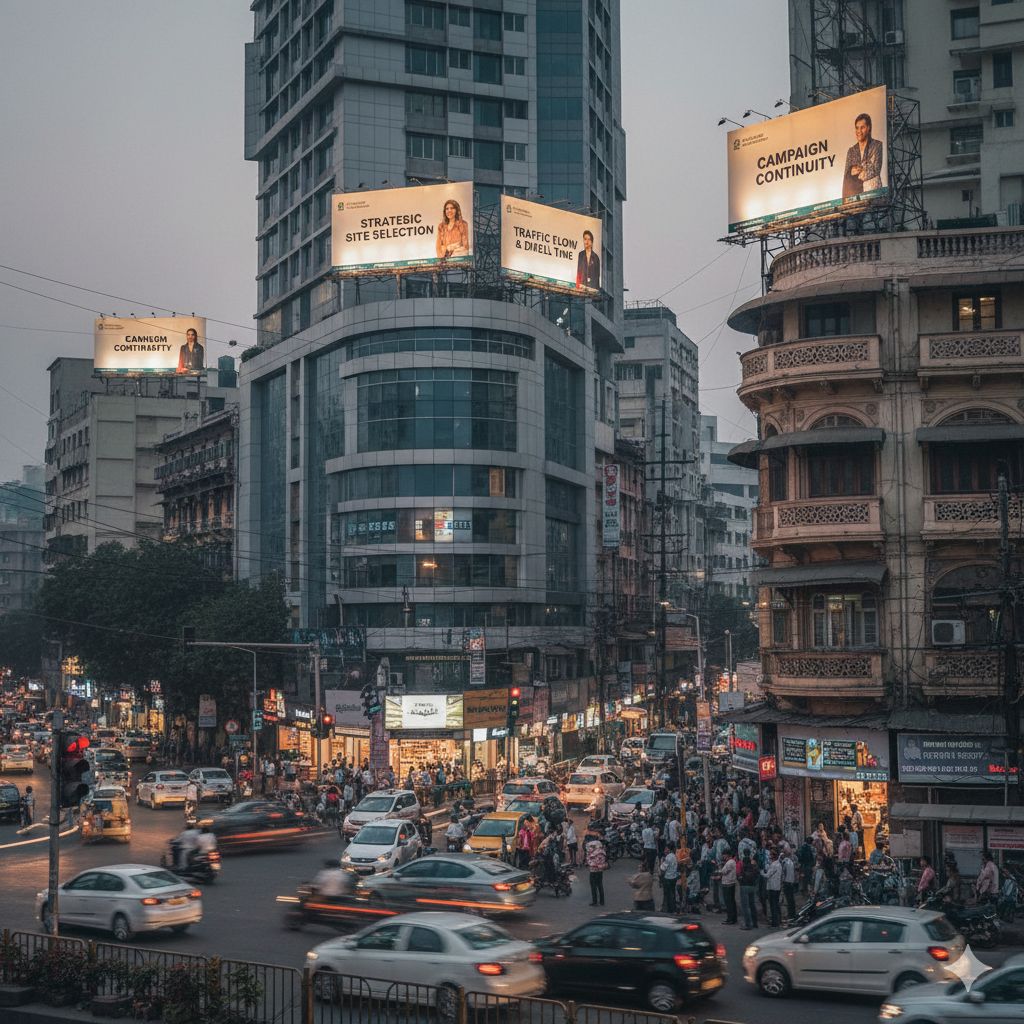
It’s 8:30 a.m. in Delhi. The traffic is slow, the horns are impatient, and the city is alive. People rush to their offices, students wait at bus stops, autos weave through narrow lanes—and above all this noise, something still manages to grab your attention.
A massive hoarding near Rajouri Garden screams “Mega Home Sale – Just 2 km Ahead!” Another unmissable banner at Ashram Chowk shows a happy family at a new school’s admissions campaign. On the Metro pillars, a newly launched energy drink glows under the rising sun.
This is outdoor advertising in Delhi—not just billboards, but part of your everyday experience. And behind these smart placements are companies who know this city like their own street.
Why Outdoor Advertising Still Works in a Digital World
In the age of smartphones, pop-up ads, and endless scrolling, why are brands still investing in outdoor ads?
Because in Delhi, the streets still have power.
Here’s why:
You can’t skip a billboard. You see it whether you like it or not.
It builds real trust. Seeing a brand out in the open feels bigger, more credible.
It works for all walks of life. From a techie in Noida to a trader in Karol Bagh—everyone sees it.
It’s always on. No battery required. No Wi-Fi needed.
The City Itself Is a Canvas
Delhi isn’t just one market—it’s many, layered, and complex. That’s where good outdoor advertising companies shine. They understand the city’s pulse, and they know where your brand should speak.
South Delhi is polished, premium, and ideal for luxury, real estate, and education.
West Delhi is dense and energetic, making it great for retail, F&B, and electronics.
East Delhi is connected and evolving, making it ideal for healthcare and essential services.
Central Delhi offers high footfall and premium visibility—best for fashion, tech, and corporate messaging.
Transit Hubs like Anand Vihar, IGI Airport, and Rajiv Chowk Metro offer uninterrupted exposure.
Acme Advertising Co. is one such name that has mapped this city inch by inch. They’ve worked in every zone, understood every audience, and delivered campaigns that blend creativity with location logic.
Not Just Billboards—It’s a Whole System
Outdoor advertising today goes far beyond a single hoarding. The best companies don’t just put your ad out there—they plan an entire journey.
Let’s look at the outdoor formats that work best in Delhi:
Hoardings: The classics. Big, bold, high-traffic locations like ITO, Dhaula Kuan, and Lajpat Nagar.
Unipoles & Gantries: Found on highways and arterial roads like NH-8, Ring Road, and Mathura Road. Great for cars, buses, and long visibility.
Bus Shelter Ads: Hyperlocal reach. Perfect for promoting offers, new stores, or local services.
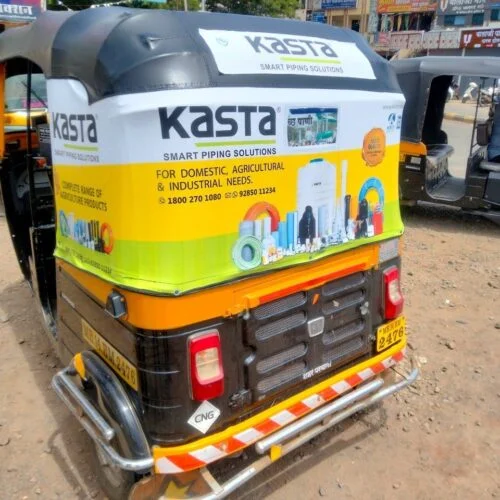
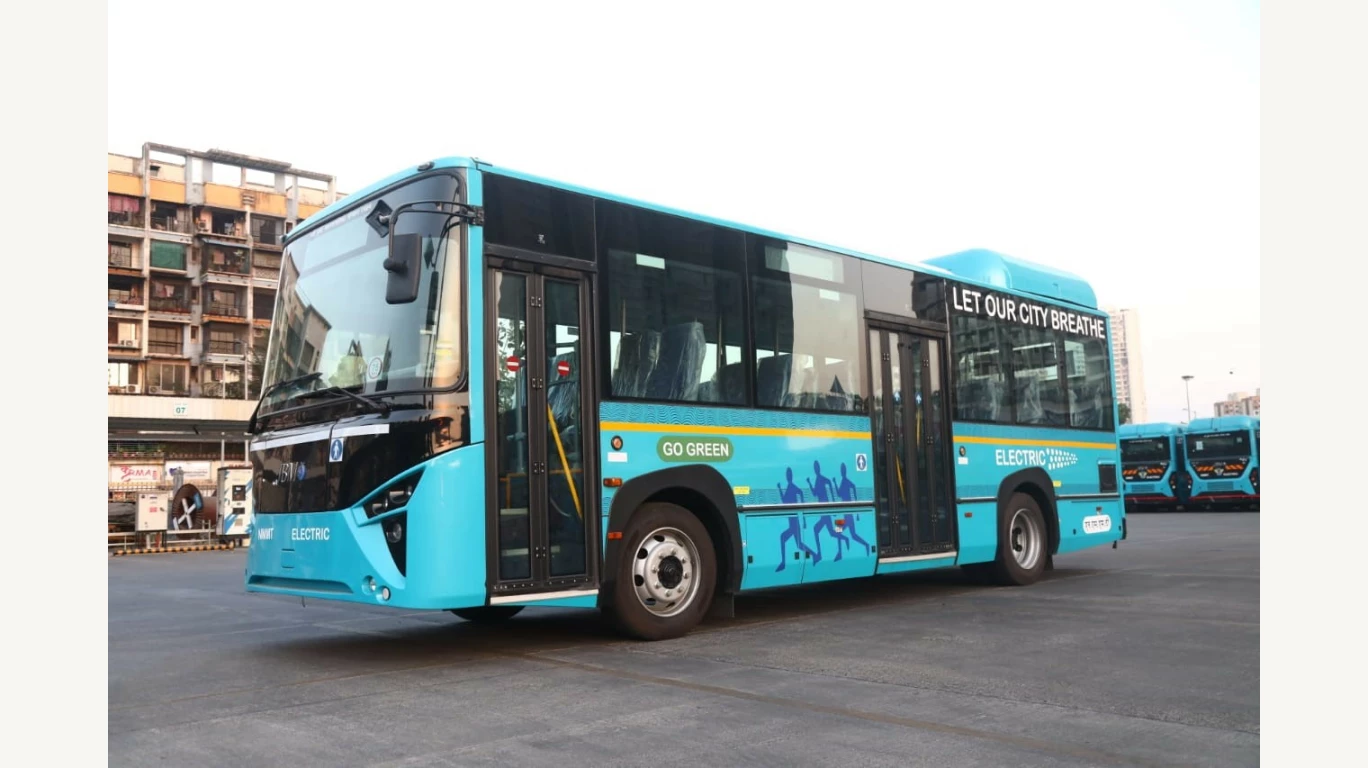
Metro Wraps: With over 2 million riders a day, Metro branding is gold. Entire trains wrapped with messages, platform panels, or station takeovers.
Digital Billboards & LED Screens: Found in Connaught Place, South Ex, Cyber Hub. Ideal for tech launches, events, or rotating campaigns.
Pole Kiosks & Wall Paintings: These keep the buzz going in localities, often used for festivals or mass awareness drives.
What Acme Advertising Co. Does Differently
While many companies offer spaces, few offer strategy. Acme Advertising Co.doesn’t just rent you a billboard—they design campaigns that work with the city, not just on it.
Take their recent campaign for a national e-scooter brand. Instead of just placing ads on highways, Acme combined:
Hoardings at traffic hotspots where fuel vehicles queue longest
Metro panels targeting working professionals in East and South Delhi
Bus shelters near colleges and tech parks to reach Gen Z and millennials
In just 5 weeks, footfall at showrooms increased by 28%, and the brand’s Delhi awareness score jumped by 3x on local surveys.
What makes Acme’s approach effective?
They survey locations physically—no blind guesses
They handle permissions, fabrication, installation, and lighting
They give reports, visibility timelines, and budget clarity
They match brand tone with location behavior (e.g., lifestyle ads in Lajpat Nagar, finance ads in Nehru Place)
OOH Media Brand Advertising
Real-World Use Cases Across Delhi
Here’s how different industries have benefited from outdoor advertising in Delhi—guided by companies like Acme:
🏥 Healthcare – Trust Needs Visibility
A new multi-speciality hospital was launched in East Delhi. Rather than go digital-first, they worked with Acme to target visibility through:
Hoardings near traffic signals
Bus shelters near housing societies
Pole kiosks near local pharmacies
The result? A steady rise in walk-ins and people even reported seeing the hospital “on their daily route.”
🛍️ Retail – Footfall Magic
For a new fashion chain in Kamla Nagar, Acme suggested:
Outdoor seating wall branding with QR codes for quick online menus
All executed by Acme. The campaign drove both walk-ins and Zomato orders.
What Makes a Great Outdoor Advertising Company in Delhi
Anyone can print a banner. But a strong agency does much more. Here’s what to look for:
✅ Understanding of Delhi’s Demographics From college-goers to daily commuters, from luxury buyers to budget shoppers.
✅ Strong Vendor Network For fabrication, compliance, mounting, and real-time support.
✅ Creative Collaboration Designing messages that work without sound, motion, or interaction.
✅ Compliance Knowledge Delhi’s outdoor rules can be tricky. Smart agencies handle permissions smoothly.
✅ Data-Driven Suggestions Acme often combines on-ground insights with past results. They suggest locations that match your audience, not just your budget.
Future of Outdoor Advertising in Delhi
The future is not just big—it’s smart.
Digital Screens are becoming more common and cost-efficient
QR code integration allows real-time lead generation
Time-slot-based LED displays make messaging flexible
Eco-friendly printing and solar lighting are gaining ground
Acme is already experimenting with sensor-based digital billboards in trial zones across Noida and Gurugram extensions. They’re pushing for green hoardings, recyclable materials, and community-based wall branding projects with schools and local artists.
Final Thoughts: The City Is Listening
Delhi may be loud, crowded, and fast, but when your brand speaks from the right spot, the city listens.
Whether it’s a buzzing market, a silent highway, or a slow-moving Metro train—outdoor advertising reaches people when they’re out in the real world, making real decisions.
With experienced agencies like Acme Advertising Co., outdoor isn’t just a format. It becomes a conversation—between the brand and the street.
So next time you drive through Ring Road or take the Blue Line, look around. That message on the hoarding? That could be your brand’s next big moment.
Ready to See Your Brand on the Streets of Delhi?
✨ From Connaught Place to Cyber Hub, from ITO to IGI — your brand deserves the spotlight!
Introduction – The Big Opportunity in Cinema Advertising
Why Cinema Advertising in the UAE is Rising Fast
Key Statistics & Chart Snapshot
Strategic Advantages of Cinema Advertising
Creative Best Practices for Big-Screen Impact
How ACME Advertising Co. Delivers Premium Cinema Campaigns
Case Example: From Concept to Conversion
Measuring Success: Metrics That Matter
Final Thoughts – Your Brand on the Big Screen
FAQs
The Big Opportunity in Cinema Advertising
Top Cinema Advertising in the UAE
In a world saturated with mobile screens, social-feeds and banner ads, cinema advertising in the UAE offers something refreshingly undistracted. It’s not just about being seen—it’s about being part of the experience. Your brand gets front-row access to a captive audience, immersed, engaged, and waiting for what’s next. And with the UAE’s cinema ecosystem growing rapidly, the timing is right to leap in.
Why Cinema Advertising in the UAE is Rising Fast
A few compelling reasons why cinema is no longer “just movies” but a smart medium for brands:
The UAE now holds 30 % of the Middle East cinema market share, underlining its scale and maturity.
The cinema sector in the UAE generated AED 517 million in revenue during the first eight months of one year, with about 11 million visits logged in that period.
Even though cinema advertising might represent a smaller slice of media spend, its impact per rupee is often disproportionately high. For example, cinema ads in the region claim 15 % of total campaign impact with just 6 % of media spend.
UAE holds ~30 % of Middle East cinema market share.
702 screens across 72 locations in UAE.
These charts underscore how cinema advertising punches above its weight. Your brand isn’t just “buying screen time” — it’s buying engagement time.
Strategic Advantages of Cinema Advertising
Here’s what makes cinema a strategic move for brands—especially if you’re working with ACME Advertising Co.:
📺 Captive, High-Quality Audience
In a cinema, people are focused on the screen. No multitasking, no switching tabs—your message lands with clarity.
📊 Branding with Emotion
Big screen + big visuals + immersive sound = emotional impact. That matters because emotion drives recall and action.
🌍 Diverse, Premium Demographics
With the UAE’s multicultural mix and high-end cinema infrastructure, you reach both local and regional high-value audiences.
⚡ Amplification Potential
When cinema ads work in sync with your digital, outdoor, and social campaigns, your brand gets a halo effect. ACME ensures your cinema spot complements your broader strategy.
💡 Cost-Efficiency in the Right Format
Given the relatively modest market size of cinema advertising (per spend), the impact per rupee can be very attractive. When executed well, it’s not just “another channel”—it’s a strategic differentiator.
creative big-screen impact
Creative Best Practices for Big-Screen Impact
To maximise your cinema campaign’s value, creativity and execution matter. Here are best practices:
High-Definition Visuals & Sound: Use the theatre’s full audio-visual capabilities. Poor production will stand out negatively.
Short & Memorable Message: Cinema spots should be crisp—brands have a limited window to make an impression.
Brand Integration: The ad should feel native to the cinematic experience—not disruptive. Think story, not sales pitch.
Call to Action (CTA) Designed for Cinema: Include QR codes, microsites or hashtag prompts for post-movie engagement.
Synchronise with Film Content: Match your ad to the film’s tone, audience and time slot. ACME specialises in ad-film alignment.
Leverage Pre- and Post-Screening Assets: Beyond the screen, consider foyer displays, in-theatre sampling, branded seats or capture zones—ACME packages these extras to boost ROI.
How ACME Advertising Co. Delivers Premium Cinema Campaigns
At ACME, we don’t just place ads in theaters—we engineer theatre experiences for brands. Here’s how:
Insight-Driven Planning – We analyse foot-traffic data, screen locations, demographics, film line-ups and viewing habits to select optimal venues.
Creative & Production Excellence – From script to screen, our in-house team delivers cinema-grade video, sound mix and motion graphics that shine on the big screen.
Integrated Media Strategy – We blend your cinema campaign with outdoor, digital and social touchpoints for a unified brand impact.
Tracking & Attribution – With call-to-actions built into the cinema moment, we measure engagement, website hits, store visits and conversions.
Continuous Optimisation – We gather learnings per film and screen slot, refine ad runs, and enhance your next campaign’s performance.
By working with ACME, your brand takes advantage of our UAE-specific cinema network expertise, deep creative capabilities and performance-driven mindset.
Case Example: From Concept to Conversion
Imagine a lifestyle brand launching in Dubai. Here’s how a typical ACME cinema campaign might run:
Objective: Raise awareness + drive store visits during opening month.
Plan: Choose premium multiplexes in Dubai Mall and Mall of the Emirates, during blockbuster weekend slots.
Creative: 30-second high-impact spot with bold visuals, tagline “Your Style. Seen Big.” and QR-code overlay linking to showroom booking.
Support Assets: Lobby branding, in-seat flyers, digital retargeting for cinema attendees.
Outcome (hypothetical): 23 % increase in store footfall, 42 % rise in QR-code scans, cost per conversion 18 % lower than standard OOH.
When you invest in cinema advertising, ask for measurable results. Here are the key metrics we focus on at ACME:
Impressions Generated – Number of viewers reached per screen per slot.
Engagement Rate – Scans of QR codes, microsite traffic, hashtag usage.
Footfall Lift – Increase in store visits, event attendance, showroom traffic.
Brand Recall / Awareness Uplift – Surveys before vs. after campaign run.
Cost per Action (CPA) – Conversion cost tracked back to cinema spend.
Synergy Score – Impact of cinema + other channels vs cinema alone.
By quantifying each of these, your brand can move from “we placed an ad” to “we achieved real business outcomes”.
Final Thoughts – Your Brand on the Big Screen
Cinema advertising in the UAE presents a strategic platform—not just a media purchase. If you’re looking for a channel that offers immediacy, quality, immersion and measurable impact, the big screen is “go-time”. With ACME Advertising Co. by your side, you gain a partner who knows how to create cinema campaigns that do more than look good—they perform. Let’s turn movie-night magic into brand-winning momentum.
FAQs
Q1. How many cinemas and screens are there in the UAE? Approx. 702 screens across 72 locations in the UAE.
Q2. What kind of brands benefit most from cinema advertising? Brands that value high-impact visuals, immersive experiences and premium audiences—e.g., lifestyle, automotive, real estate, luxury goods.
Q3. Is cinema advertising cost-effective? Yes—cinema ads can deliver disproportionate impact relative to spend. For example, cinema advertising achieved 15 % campaign impact with only 6 % of media spend in a regional study.
Q4. How do we integrate cinema ads with digital? Through QR codes, landing pages, social-media tie-ins, digital retargeting for cinema attendees, and in-screen prompts to follow or share.
Q5. Can we customise placements (premium screens, join-ins)? Absolutely—ACME offers tailored screen and slot selection, plus in-hall activations (foyer branding, seat wraps, branded content).
Q6. What creative format works best? Short, bold, story-driven pieces (15-30 seconds) with high-production value and a clear CTA triggered during the cinema moment.
Q7. How do we measure success of cinema campaigns? Via impressions, QR scans, microsite visits, footfall lift, recall uplift, and cost per conversion—ACME provides dashboards and data insights.
Q8. How soon should we book cinema ad slots? Prime slots (weekend evenings, blockbuster release windows) fill up fast. We recommend planning 6–8 weeks ahead for optimal inventory and production.
Ready to take your brand from screen-time to show-stopper?